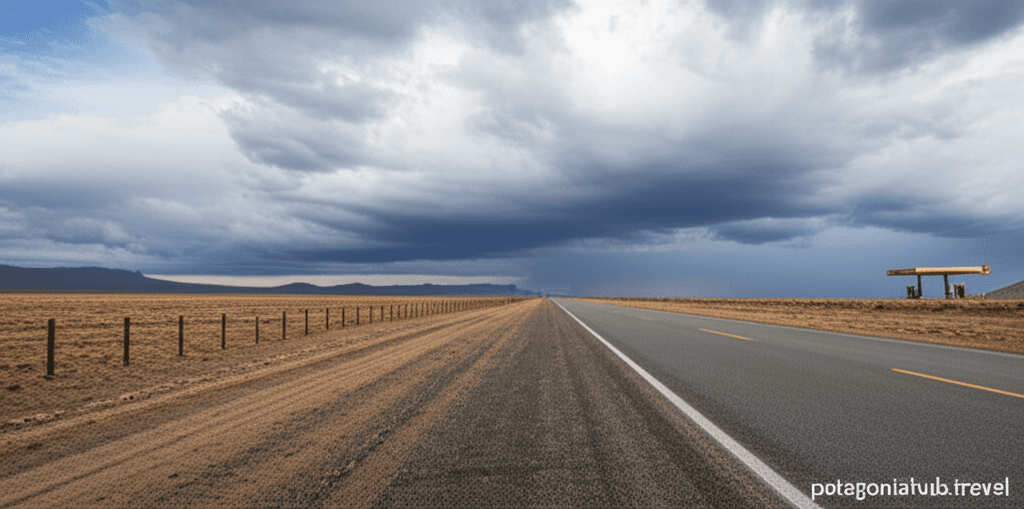
Ruta 40 Gas Stations: Southern Patagonia Fuel Map
Complete guide to gas stations along Argentina's legendary Ruta 40 in southern Patagonia. Station locations, distances, fuel types, and survival tips for the most remote highway.

Argentina's Ruta Nacional 40 is one of the world's great road trips - and one of its most challenging for fuel planning. Stretching over 5,000 km from the Bolivian border to Río Gallegos, the southern Patagonia section features vast distances between tiny towns and gas stations that may or may not be open.
This guide covers: El Calafate to Río Gallegos (the most-traveled southern section)
Key facts:
- Total distance: ~650 km (El Calafate → Río Gallegos)
- Gas stations: 6-8 along the route
- Longest gap without fuel: ~210 km
- Road surface: Mix of paved and gravel (ripio)
El Calafate (Starting Point)
El Calafate is the gateway to Los Glaciares National Park and has the best fuel infrastructure in southern Patagonia.
| Station | Location | Hours | Payment | Notes |
|---|---|---|---|---|
| YPF Centro | Av. Libertador | 6 AM - 11 PM | Cards + Cash | Most reliable |
| Shell | Av. Libertador 1302 | 24 hours | Cards + Cash | Best for late arrivals |
| Axion | Route 11/40 junction | 7 AM - 10 PM | Cards + Cash | Easy highway access |
Stock up here: El Calafate has the last reliable, full-service stations before long empty stretches.
El Chaltén (Detour from Ruta 40)
220 km northwest of El Calafate, El Chaltén has ONE gas station with significant limitations.
| Station | Payment | Hours | Notes |
|---|---|---|---|
| YPF El Chaltén | CASH ONLY | 8 AM - 8 PM | Long queues, can run out |
Warning: The El Chaltén YPF is notorious. See our detailed El Chaltén fuel guide.
Ruta 40 detour distance: 440 km round trip from El Calafate junction Fuel strategy: Fill in El Calafate, don't rely on El Chaltén
Tres Lagos
Small roadside town 150 km south of El Calafate on Ruta 40.
| Station | Type | Hours | Payment | Notes |
|---|---|---|---|---|
| YPF Tres Lagos | Small | Variable | Cash preferred | Unreliable hours |
Reality check:
- Station exists but may be closed
- Can run out of fuel (especially diesel)
- Limited quantities even when open
- Cash in pesos essential
Distance from El Calafate: ~150 km Distance to next fuel (Gobernador Gregores): ~210 km
Recommendation: Fill in El Calafate. Treat Tres Lagos as emergency backup only.
Gobernador Gregores
The largest town between El Calafate and the coast. Has more reliable fuel.
| Station | Location | Hours | Payment | Notes |
|---|---|---|---|---|
| YPF Gregores | Downtown | 7 AM - 10 PM | Cards + Cash | Most reliable |
| COPEC | Route 40 | 7 AM - 9 PM | Cash preferred | Smaller |
Distance from El Calafate: ~360 km Distance from Tres Lagos: ~210 km Distance to Río Gallegos: ~290 km
This is a critical fuel stop. Don't pass through without filling up.
San Julián
Coastal town east of Ruta 40, accessible via RP-25.
| Station | Hours | Payment | Notes |
|---|---|---|---|
| YPF San Julián | 7 AM - 10 PM | Cards + Cash | Good supply |
| Shell | 7 AM - 9 PM | Cards + Cash | Alternative |
Detour from Ruta 40: ~150 km each way via RP-25 Reason to detour: More reliable than some Ruta 40 stations
Puerto San Julián (Coastal Alternative)
If taking coastal Ruta 3 instead of Ruta 40:
Reliable stations. Multiple YPF and Shell stations, normal hours, cards accepted.
Piedra Buena / Comandante Luis Piedra Buena
Town on Ruta 3, south of where 40 joins the coast.
| Station | Hours | Payment | Notes |
|---|---|---|---|
| YPF Piedra Buena | 24 hours | Cards + Cash | Reliable |
| Axion | 6 AM - 11 PM | Cards + Cash | Good alternative |
Distance from Gobernador Gregores: ~180 km (via Ruta 3 junction) Distance to Río Gallegos: ~110 km
Río Gallegos
Capital of Santa Cruz province. Full urban fuel infrastructure.
| Station | Location | Hours | Payment |
|---|---|---|---|
| YPF Multiple | Throughout city | 24 hours available | Cards + Cash |
| Shell Multiple | Throughout city | 24 hours available | Cards + Cash |
| Axion Multiple | Throughout city | Varies | Cards + Cash |
Río Gallegos is your base for trips to:
- Punta Arenas, Chile (250 km)
- Ushuaia via Ruta 3 (600 km)
- Return north on Ruta 40
Frequently Asked Questions
What is the longest stretch without fuel on Ruta 40?
Between Gobernador Gregores and Tres Lagos, there are approximately 210 km with no guaranteed fuel. The Tres Lagos station is small and sometimes closed or empty.
Do Ruta 40 gas stations accept credit cards?
Larger towns (El Calafate, Río Gallegos) accept cards. Smaller stations (Tres Lagos, Perito Moreno) often require cash in Argentine pesos. Always carry cash.
Is Ruta 40 paved in Patagonia?
Large sections are now paved, but significant stretches remain unpaved (ripio). Gravel roads increase fuel consumption by 15-25%. Plan accordingly.
Image Generation Prompt
Create a focused photograph for a travel guide about gas stations on Ruta 40 in Patagonia. Show a lonely stretch of Ruta 40 highway through the vast Patagonian steppe with dramatic clouds and a distant gas station sign. Style: Professional travel photography, high quality, 16:9 aspect ratio. No watermarks. Include subtle 'patagoniahub.travel' branding in the bottom right corner.
Related Guides
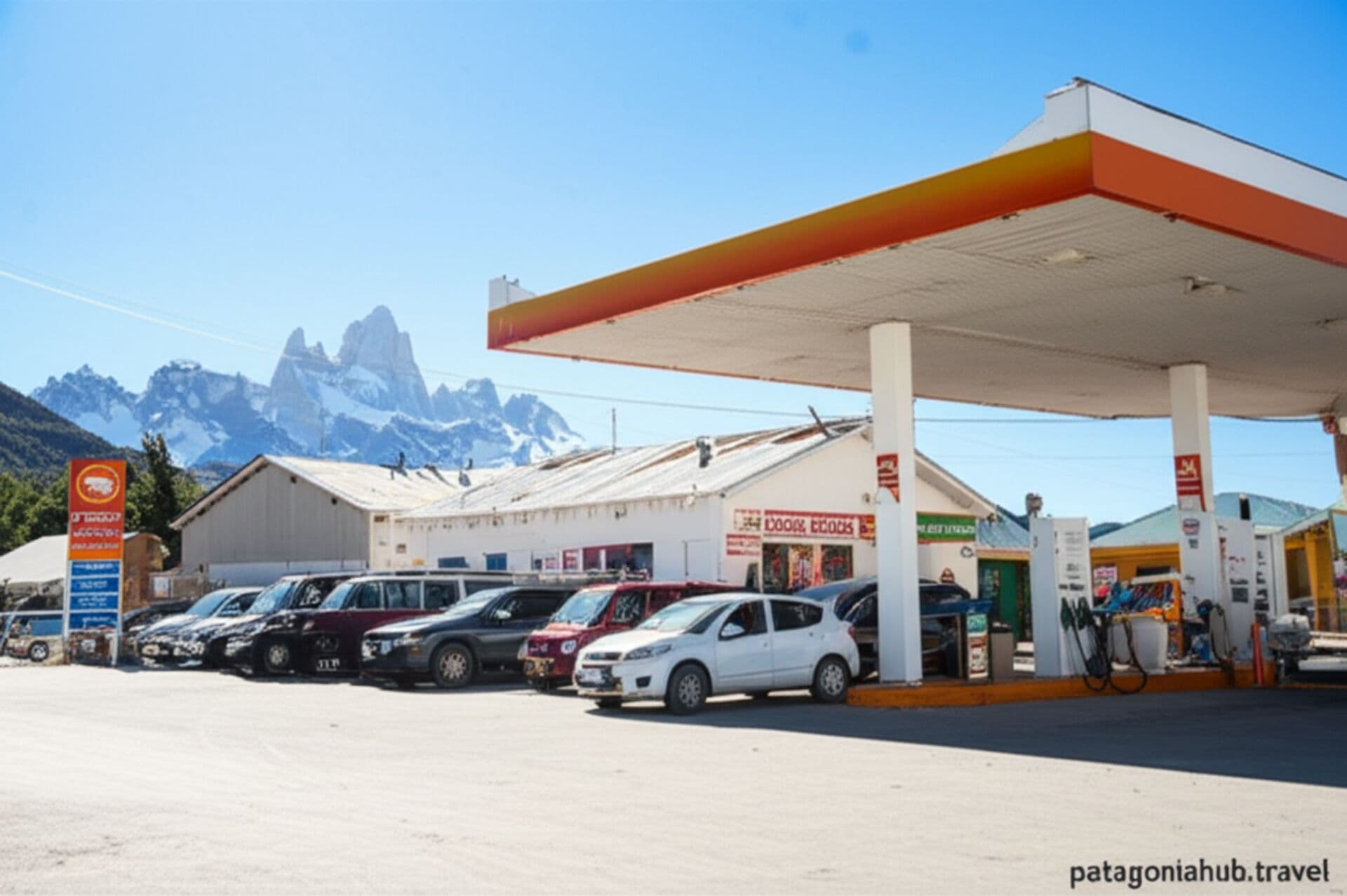
El Chalten Gas Station: The Remote YPF You Need to Know
Everything about fueling up in El Chalten, Argentina. Learn about the single YPF station, payment issues, long queues, and why you should fill up in El Calafate first.
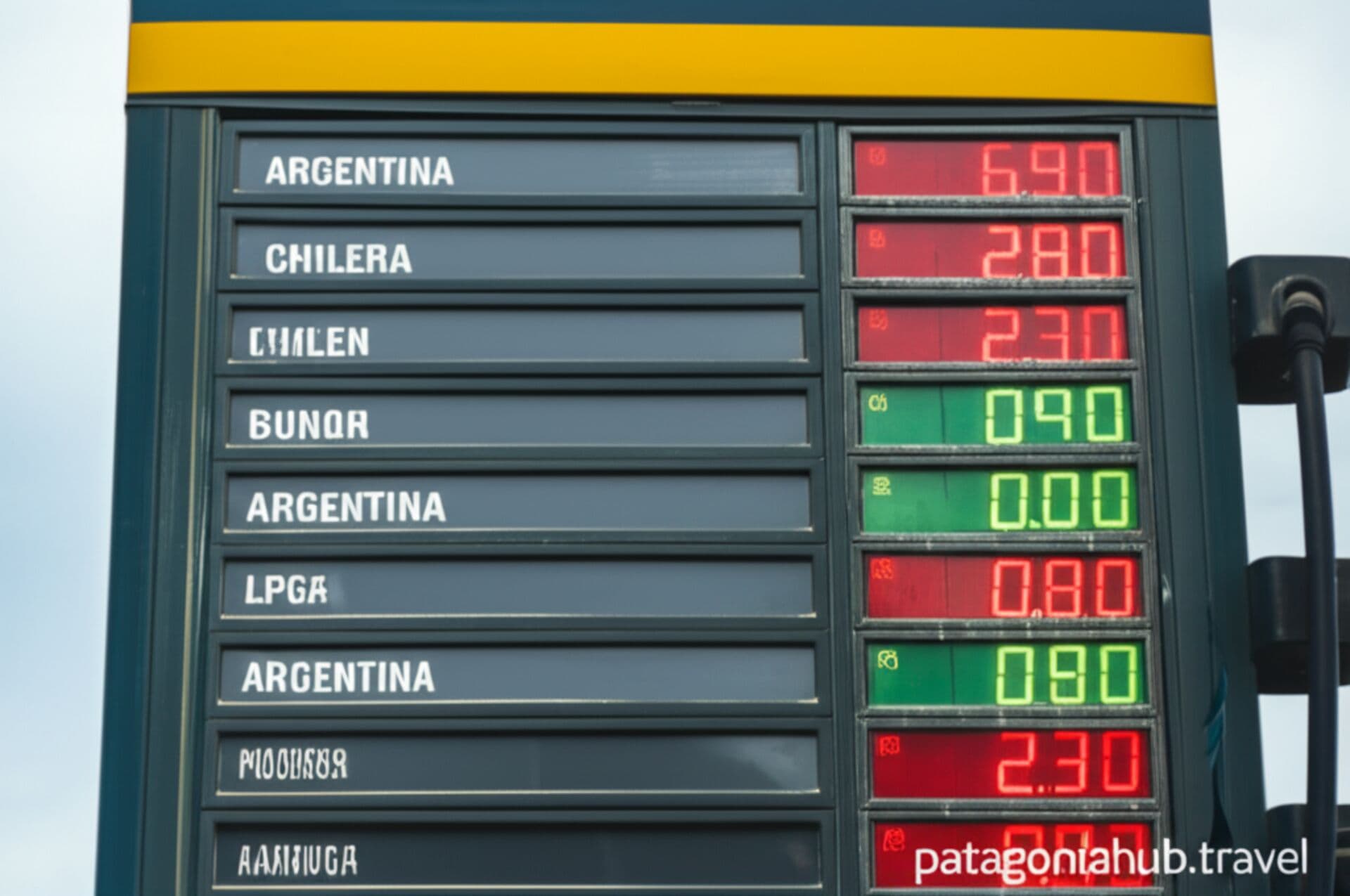
Fuel Prices in Patagonia: Chile vs Argentina Comparison
Compare fuel costs between Chile and Argentina in Patagonia. Understand price differences, payment methods, and strategies to save money on your road trip.
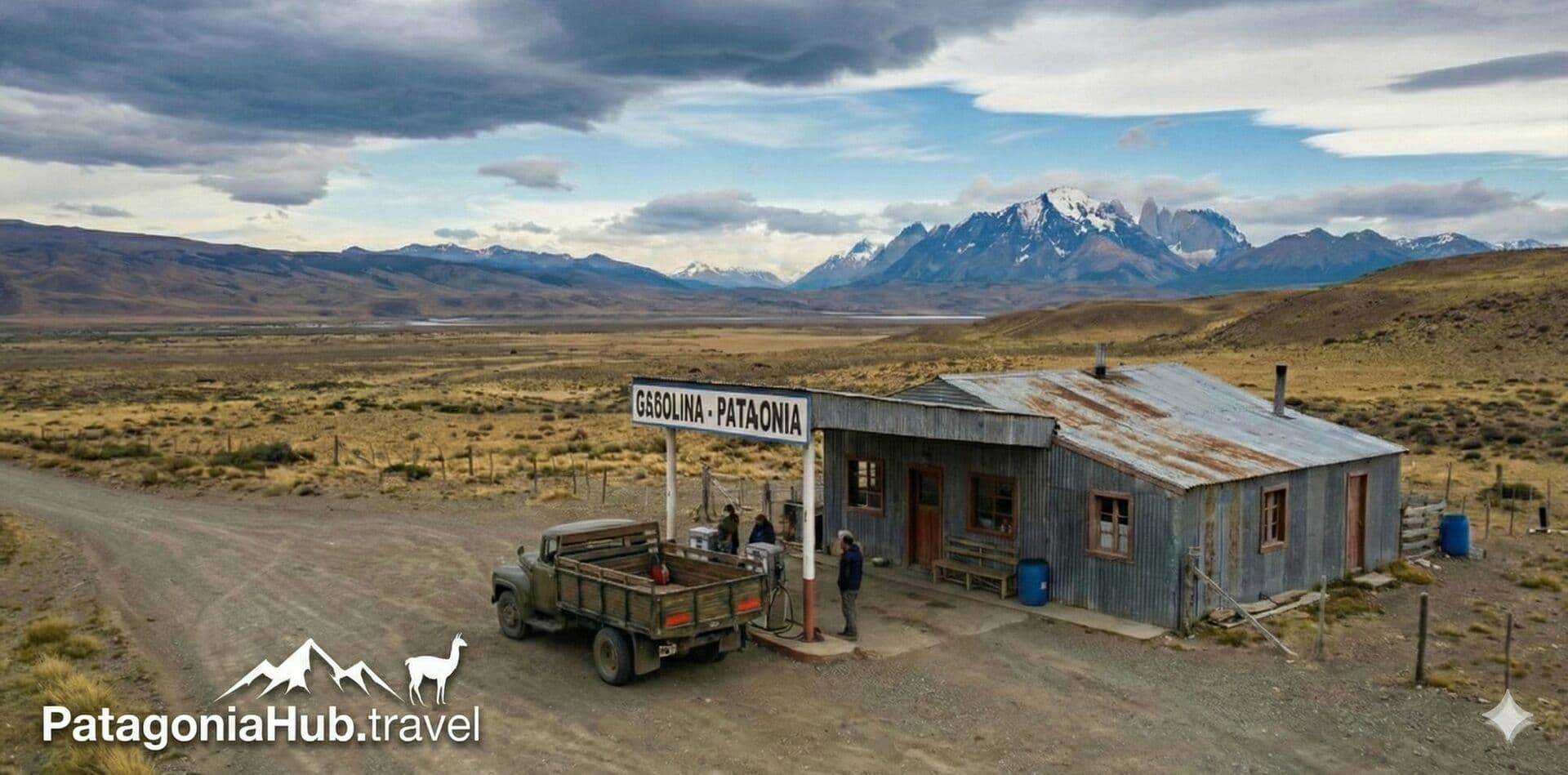
Complete Patagonia Gas Station Guide: Where to Fill Up
The essential fuel planning guide for Patagonia road trips. Find every gas station location, learn about fuel types, and avoid running empty in this remote region.
Driving Patagonia? Ask us the awkward questions.
Border permits, one-way drop-offs, fuel gaps between towns — tell us your route and dates and we will come back with what actually works.
The advice is free. Booking a car or a tour through us afterwards is entirely optional.
Message written for you — edit or send as is.