border-crossing

Cancha Carrera Border Crossing: Complete Step-by-Step Guide 2026

Detailed walkthrough of the Cancha Carrera / Río Turbio border crossing between Puerto Natales and El Calafate. Step-by-step procedures, documents, timings, and tips to cross smoothly.

PatagoniaHub Team
12 min read
January 6, 2026

Why This Border Crossing Matters

The Paso Integración Austral (locally known as Cancha Carrera on the Chilean side and Río Turbio on the Argentine side) is the primary border crossing connecting Chilean and Argentine Patagonia. This is the route most travelers take when driving between:

  • Puerto Natales (Chile) → El Calafate (Argentina)
  • Torres del Paine National Park (Chile) → Perito Moreno Glacier (Argentina)
  • Punta Arenas (Chile) → El Chaltén (Argentina)

If you're planning a cross-border Patagonia road trip, mastering this crossing is essential. This guide provides the exact step-by-step process, required documents, timing recommendations, and insider tips to help you cross smoothly without delays or fines.

Location & Route Overview

GPS Coordinates

Side Location GPS Coordinates
Chile Cerro Castillo -51.5622° S, -72.3028° W
Argentina Río Turbio -51.5833° S, -72.1667° W

Distance & Drive Time

Route Segment Distance Time
Puerto Natales → Chilean border post 160 km 2 hours
Chilean border → Argentine border (neutral zone) 5 km 10 minutes
Argentine border → El Calafate 105 km 1.5 hours
Total: Puerto Natales → El Calafate 270 km 4-5 hours (including border processing)

Road Conditions

  • Chilean side (Puerto Natales to border): Well-maintained paved road
  • Neutral zone: Paved, narrow, watch for wildlife
  • Argentine side (border to El Calafate): Mix of paved and gravel, some sections rough

Operating Hours

Summer Season (December - February):

  • Daily: 8:00 AM - 10:00 PM

Shoulder Season (October, November, March, April):

  • Daily: 8:00 AM - 9:00 PM

Winter Season (May - September):

  • Daily: 8:00 AM - 8:00 PM

Important Notes:

  • Hours may be extended during peak holiday periods (Christmas, New Year)
  • In severe winter weather, crossings may close temporarily
  • Always verify current hours before your trip at border status websites

Step-by-Step: Chile → Argentina

Phase 1: Chilean Exit (Cerro Castillo / PDI)

Location: Chilean border checkpoint at Cerro Castillo

Process:

  1. Join the correct lane

    • Private vehicles: Right lane (usually)
    • Buses/trucks: Left lane
    • Look for signs indicating "Automóviles" vs. "Buses/Camiones"
  2. Stop at PDI booth (Policía de Investigaciones)

    • Turn off engine, prepare passports
    • Hand all passenger passports to officer
    • Officer will ask destination, length of stay
    • Officer stamps exit in each passport
    • Receive passports back
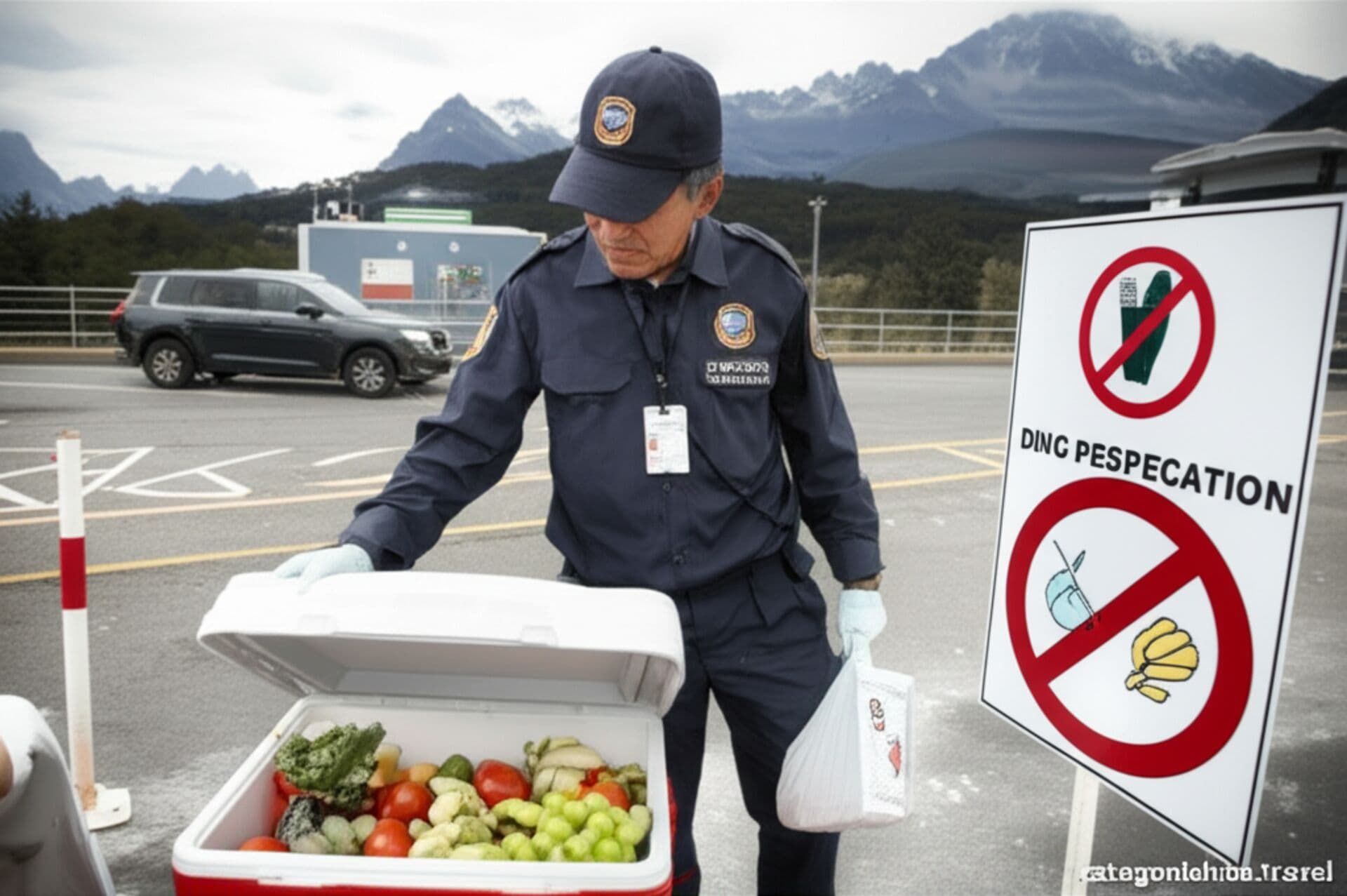
  3. Proceed to SAG inspection (Servicio Agrícola y Ganadero)

    • Drive 50 meters forward to inspection area
    • This is the critical food inspection point

Time: 5-10 minutes (non-peak) | 15-30 minutes (peak season)

Phase 2: SAG Agricultural Inspection (Chilean Side)

This is where most issues occur. Pay close attention.

What SAG Inspects:

  • All food items in vehicle
  • Luggage and coolers (may be opened)
  • Potential plant/animal products

Process:

  1. Stop at SAG checkpoint

    • Roll down window
    • Officer asks "Llevan frutas, verduras, carnes, lácteos?" (Do you have fruits, vegetables, meat, dairy?)
  2. Declare EVERYTHING

    • Even if you're unsure if an item is prohibited, declare it
    • Honesty is key - officers appreciate transparency
    • Undeclared items = automatic fines
  3. Vehicle inspection

    • Officer may request you open trunk/coolers
    • Sometimes use inspection dogs
    • May use X-ray scanning equipment
  4. Confiscation of prohibited items

    • Fresh fruits, vegetables → confiscated
    • Meat, dairy, eggs → confiscated
    • Commercially sealed snacks → usually OK
    • Officer will dispose of items, no penalty if declared
  5. Receive clearance

    • Officer signs your departure form
    • You're cleared to exit Chile

Time: 5-15 minutes (if you have nothing prohibited) | 20-45 minutes (if inspection is thorough)

Phase 3: Neutral Zone

Distance: Approximately 5 km between Chilean exit and Argentine entry

Process:

  • Drive straight through on the paved road
  • No stopping allowed in neutral zone
  • Watch for wildlife (guanacos, foxes, condors)
  • Slow down for occasional potholes
  • Speed limit: 40 km/h

Time: 5-10 minutes

Phase 4: Argentine Entry (Río Turbio / Migraciones)

Location: Argentine border checkpoint at Río Turbio

Process:

  1. Join immigration line

    • May be longer than Chilean exit
    • Turn off engine while waiting
  2. Stop at Migraciones booth

    • Hand all passports to officer
    • Officer asks:
      • "¿Motivo de la visita?" (Purpose of visit) → "Turismo"
      • "¿Cuánto tiempo se quedan?" (How long staying?) → State your duration
    • Officer stamps entry in each passport
    • Receive passports back
  3. Proceed to customs declaration area

Time: 10-20 minutes (non-peak) | 30-60 minutes (peak season with queues)

Phase 5: Argentine Customs & SENASA (Aduana/SENASA)

What Happens Here:

  1. Customs Declaration

    • If bringing goods over value limit, declare here
    • Most tourists have nothing to declare
    • May ask if you're bringing electronics, jewelry
  2. SENASA Agricultural Inspection (Argentine version of SAG)

    • Similar food inspection as Chilean side
    • Generally less strict than Chile
    • Still confiscate fresh produce if you somehow got it through Chile
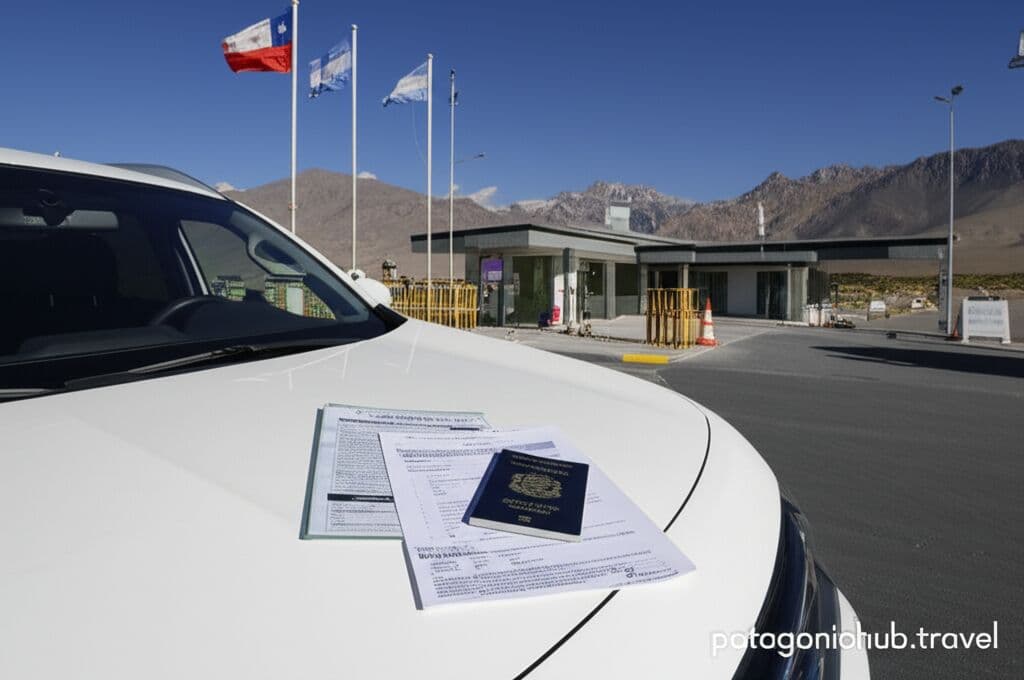
  3. Vehicle Documentation Check (CRITICAL for rental cars)

    • Present:
      • Rental contract
      • Poder Notarial (notarized authorization)
      • Vehicle registration (Padrón)
      • Insurance documents
    • Officer verifies you're authorized to bring vehicle into Argentina
    • Receive temporary vehicle import permit (Permiso Temporal de Importación)
    • KEEP THIS PERMIT - You need it to exit Argentina

Time: 10-20 minutes (with rental car docs ready) | 30-60 minutes (if docs are missing or issues arise)

Total Chile → Argentina Crossing Time

Season Weekday Weekend
Low (Jun-Aug) 30-45 min 45-60 min
Shoulder 45-75 min 60-90 min
Peak (Dec-Jan) 60-90 min 90-150 min

Step-by-Step: Argentina → Chile

The process is reversed but with key differences:

Phase 1: Argentine Exit (Río Turbio / Migraciones)

  1. Stop at Argentine immigration booth
  2. Hand passports to officer
  3. Return your temporary vehicle import permit (the one they gave you entering Argentina)
  4. Receive exit stamps in passports

Time: 5-10 minutes

Phase 2: SENASA Inspection (Argentine Side)

  • Less strict than entering Chile
  • Quick food declaration
  • Rarely open luggage

Time: 5-10 minutes

Phase 3: Neutral Zone

Same 5 km drive back to Chile

Time: 5-10 minutes

Phase 4: Chilean Entry (Cerro Castillo / PDI)

  1. Stop at PDI immigration booth
  2. Hand passports to officer
  3. Receive entry stamps

Time: 5-15 minutes

Phase 5: SAG Inspection (Chilean Entry - VERY STRICT)

This is the strictest inspection point in either direction.

Chile has extremely rigorous biosecurity laws to protect agriculture from foreign pests.

What to Expect:

  1. Complete vehicle search

    • Every bag will likely be opened
    • Coolers thoroughly inspected
    • Inspection dogs commonly used
    • X-ray scanning of all luggage
  2. Zero tolerance for prohibited items

    • Fresh fruits → confiscated + possible fine
    • Vegetables → confiscated + possible fine
    • Meat/dairy → confiscated + possible fine
    • Even small amounts trigger fines if undeclared
  3. Fines

    • Undeclared prohibited items: $200-$500 USD
    • Serious violations: $500-$2,000 USD
    • Repeat offenders: Vehicle confiscation, criminal charges

Critical Tips for Chile Entry:

  • Eat or dispose of ALL fresh food before the border
  • Shop for groceries AFTER entering Chile
  • Packaged, commercially sealed snacks are usually OK
  • When in doubt, declare it

Time: 15-30 minutes (thorough inspection guaranteed) | 45-90 minutes (peak season with long queues)

Required Documents Checklist

For All Travelers

  • Valid passport - Must be valid for at least 6 months beyond travel dates
  • Completed immigration forms - Provided at border or on bus

For Rental Car Drivers (CRITICAL)

  • Rental contract - Original or certified copy
  • Poder Notarial - Notarized authorization letter from rental company (MANDATORY)
  • Vehicle registration (Padrón) - Provided by rental company
  • Insurance certificate - Must state "valid in Chile and Argentina"
  • Driver's license - Your home country license
  • International Driving Permit (IDP) - Recommended but not always required
  • Hotel reservations - Sometimes requested to prove onward travel
  • Return flight itinerary - Proof you'll exit the country
  • Rental company contact info - Emergency phone numbers
  • Copy of all documents - Keep digital backups on phone

Food & Goods Restrictions

Absolutely Prohibited (Both Directions)

Category Prohibited Items Penalty if Undeclared
Fresh Produce Fruits, vegetables, herbs $200-$500 USD fine
Animal Products Meat, dairy, eggs, honey $200-$500 USD fine
Plant Materials Seeds, plants, soil, firewood $300-$1,000 USD fine

Generally Allowed

  • Commercially packaged snacks (chips, cookies, crackers)
  • Canned goods (sealed, factory-produced)
  • Bottled water and soft drinks
  • Coffee and tea (packaged)
  • Chocolate and candy (sealed)
  • Alcohol (within limits: 2 liters per person)

Smart Strategy

  1. Before leaving Puerto Natales or El Calafate:

    • Eat all fresh food for breakfast/lunch
    • Give away or dispose of remaining perishables
  2. Cross with minimal food:

    • Only packaged, sealed snacks
    • Bottled drinks
    • Nothing fresh
  3. After crossing:

    • Stop at first supermarket in destination town
    • Restock fresh groceries
    • Major towns near border:
      • Chile side: Puerto Natales (160 km from border)
      • Argentina side: El Calafate (105 km from border), Río Turbio (at border, limited options)

Best Times to Cross

Optimal Crossing Windows

Time Slot Wait Time Best For
8:00-9:00 AM 30-45 min Shortest queues, border just opened
1:30-3:00 PM 45-60 min Between lunch rush and afternoon peak
Weekdays 30-60 min Always less traffic than weekends

Times to AVOID

Time/Period Wait Time Why Avoid
10:00 AM - 12:30 PM 60-90 min Tour buses, day-trippers
4:00-6:00 PM 75-120 min Afternoon rush, everyone heading to dinner towns
Fridays & Sundays 90-150 min Weekend traffic (travelers doing weekly trips)
Dec 20 - Jan 10 120-180 min Peak summer vacation, longest waits

Pro Tips for Timing

  1. Cross on Tuesday, Wednesday, or Thursday if possible
  2. Aim to arrive at 8:15 AM - Border opens at 8:00, arrive just after opening rush clears
  3. Avoid crossing during Argentine or Chilean holidays:
    • Christmas (Dec 24-26)
    • New Year (Dec 31-Jan 2)
    • Easter weekend
    • Argentine Independence Day (July 9)
    • Chilean Independence Day (September 18-19)

Common Mistakes & How to Avoid Them

Mistake #1: Not Having Proper Rental Car Documents

What Happens:

  • Border officials refuse entry
  • You must turn back
  • Trip ruined

How to Avoid:

  • Request border crossing permit when booking rental (10-14 days in advance)
  • Verify rental company allows border crossings BEFORE booking
  • Keep "border folder" with all documents in glove compartment
  • Check you have Poder Notarial before leaving rental office

Mistake #2: Bringing Prohibited Food

What Happens:

  • Food confiscated (at best)
  • Fines $200-$500 USD (if undeclared)
  • Vehicle search causing 30+ minute delay

How to Avoid:

  • Empty cooler before border
  • Declare any questionable items
  • Shop after crossing, not before

Mistake #3: Crossing at Peak Hours

What Happens:

  • 2-3 hour wait in queues
  • Stress, hunger, fatigue

How to Avoid:

  • Cross early morning (8:00-9:00 AM)
  • Choose weekdays over weekends
  • Avoid December 20 - January 10

Mistake #4: Not Keeping Argentine Vehicle Import Permit

What Happens:

  • Cannot exit Argentina without it
  • Must file police report for lost document
  • 1-3 day delay to get replacement
  • Potential fines

How to Avoid:

  • Tape the permit to vehicle registration
  • Keep both in glove box
  • Don't remove from car

Mistake #5: Running Low on Fuel

What Happens:

  • No gas stations at border
  • Nearest station may be 50-100 km away
  • Risk of running out in remote area

How to Avoid:

  • Fill tank in Puerto Natales OR El Calafate before crossing
  • Don't rely on small stations in Cerro Castillo or Río Turbio
  • Chilean fuel more expensive but more reliable

Facilities at the Border

Chilean Side (Cerro Castillo)

Available:

  • Restrooms (basic, free)
  • Small café (limited hours, expensive)
  • Duty-free shop (alcohol, tobacco, limited selection)
  • Money exchange (unfavorable rates)
  • Parking area

NOT Available:

  • ATM
  • Full restaurant
  • Gas station
  • Hotel/lodging

Argentine Side (Río Turbio)

Available:

  • Restrooms (basic, free)
  • Small shop (snacks, drinks)
  • Money exchange (poor rates)
  • Parking area

NOT Available:

  • ATM
  • Restaurant
  • Gas station
  • Duty-free shop

Services in Nearby Towns

Río Turbio (Argentina, at border):

  • Gas stations
  • Small supermarket
  • Basic restaurants
  • ATMs
  • Population: ~8,000

El Calafate (Argentina, 105 km from border):

  • Full services (hotels, restaurants, supermarkets, ATMs, gas stations)
  • Tourist hub
  • Population: ~25,000

Puerto Natales (Chile, 160 km from border):

  • Full services (hotels, restaurants, supermarkets, ATMs, gas stations)
  • Gateway to Torres del Paine
  • Population: ~20,000

Emergency Procedures

If Denied Border Crossing

Possible Reasons:

  • Missing or incorrect documents
  • Visa issues (some nationalities need visas)
  • Prohibited items in vehicle
  • Outstanding warrants or legal issues

What to Do:

  1. Ask the border officer specifically what's wrong
  2. Call your rental company for document issues
  3. Remain polite and patient - arguing NEVER helps
  4. If it's fixable (e.g., missing document at hotel), you may return and try again
  5. If unfixable, turn back and revise travel plans

Lost or Damaged Documents

Lost Poder Notarial (Rental Authorization):

  1. Contact rental company immediately
  2. They may email scanned copy to nearest internet café
  3. May need to return to rental city for replacement
  4. Do NOT attempt crossing without it

Lost Argentine Vehicle Import Permit:

  1. Report to nearest police station (Comisaría)
  2. Obtain police report (Denuncia)
  3. Contact Argentine customs (Aduana) at border
  4. Replacement takes 1-3 business days
  5. Keep police report and contact rental company

Vehicle Breakdown Near Border

Before crossing:

  • Call rental company roadside assistance
  • They'll send replacement vehicle or tow truck
  • May need to postpone crossing until vehicle replaced

After crossing:

  • Use emergency number on cross-border insurance
  • Rental company coordinates with partner on other side
  • Assistance available in both countries

Medical Emergencies

At border:

  • Basic first aid available at larger crossings
  • Serious cases transported to nearest hospital
  • Chile: Hospital Comunitario de Natales (160 km)
  • Argentina: Hospital de Río Turbio (at border, basic care)

Emergency Numbers:

  • Chile: 131 (Ambulance), 133 (Carabineros)
  • Argentina: 107 (Ambulance), 911 (Emergency)

Cost Breakdown

Border Crossing Itself:

  • No toll or crossing fee
  • $0 USD

Associated Costs:

Item Cost Notes
Rental car border permit $80-$200 USD Paid when booking rental
Cross-border insurance $10-$25/day Usually included in permit
Fuel (Puerto Natales to El Calafate) $35-$50 USD Depends on vehicle, prices
Food/snacks purchased after crossing $10-$30 USD Since you can't bring fresh food
Total $135-$305 USD For single crossing with rental car

Sources & References

Ready to Cross Successfully?

The Cancha Carrera / Río Turbio border crossing is straightforward when you're prepared. With proper documentation, no prohibited food, and smart timing, you'll cross smoothly in 30-90 minutes.

Your Pre-Crossing Checklist:

  • Rental car border permit obtained (10-14 days before)
  • All required documents in glove compartment folder
  • Vehicle fueled up (full tank)
  • All fresh food consumed or disposed of
  • Cross-border insurance confirmed valid
  • Crossing planned for early morning on weekday
  • Emergency contact numbers saved in phone

Next Steps:

  1. Review our complete border crossing hub guide for additional crossings
  2. Plan your fuel stops with our fuel station guides
  3. Check rental car options that allow border crossings at PatagoniaHub Rentals

Safe travels, and enjoy your incredible journey across Patagonian borders!

Frequently Asked Questions

What are the operating hours for Cancha Carrera border crossing?

The Paso Integración Austral (Cancha Carrera/Río Turbio) operates 8:00 AM to 10:00 PM daily during summer (December-February) and 8:00 AM to 8:00 PM during winter (May-August). Hours may be extended during peak season.

How long does it take to cross at Cancha Carrera?

The complete crossing process typically takes 30-90 minutes total. Expect 30-45 minutes during low season weekdays, and up to 90-120 minutes during peak summer weekends (December-January).

What documents do I need to cross with a rental car?

You need: valid passport, rental contract, Poder Notarial (notarized authorization from rental company), vehicle registration (Padrón), insurance valid in both countries, and your driver's license. Keep all documents easily accessible.

Image Generation Prompt
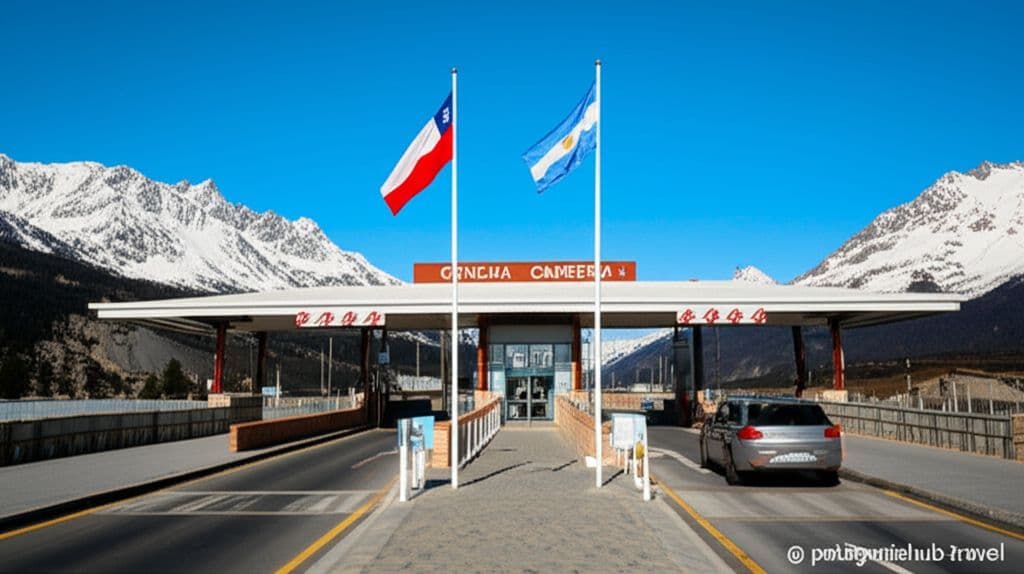
Create a professional photograph of the Cancha Carrera border crossing between Chile and Argentina in Patagonia, showing the modern border checkpoint building with Chilean and Argentine flags visible. Include a car approaching the checkpoint with snow-capped mountains in the background under clear blue sky. Style: Professional travel photography, cinematic lighting, 16:9 aspect ratio. No watermarks. Include subtle 'patagoniahub.travel' branding in the bottom right corner.

Related Guides
Did you find this guide helpful?

Share:

|

|