Chile Food Restrictions at Border: What You Can't Bring (2026 Guide)
Complete guide to Chile's strict food import restrictions at border crossings. Learn what's prohibited (fruits, meat, dairy, seeds), allowed items, SAG inspection process, penalties ($200+ fines), and how to avoid confiscation when crossing from Argentina.

Chile's food import restrictions are among the most stringent in the world - and for good reason. The country's $5.8 billion fruit export industry depends entirely on preventing invasive agricultural pests from entering the country.
The key threats Chile is protecting against:
- Mediterranean fruit fly (Ceratitis capitata) - Devastating pest that attacks over 300 fruit and vegetable species
- Avocado seed weevil (Heilipus lauri) - Destroys avocado crops, Chile exports $500M+ in avocados annually
- Fruit tree diseases - Including citrus canker, fire blight, and various fungal infections
- Livestock diseases - Foot-and-mouth disease, swine fever, and avian influenza
The economic stakes: Chile is the world's largest exporter of cherries, fresh grapes, and plums. A single outbreak of Mediterranean fruit fly could cost the economy billions in lost export markets and years to eradicate.
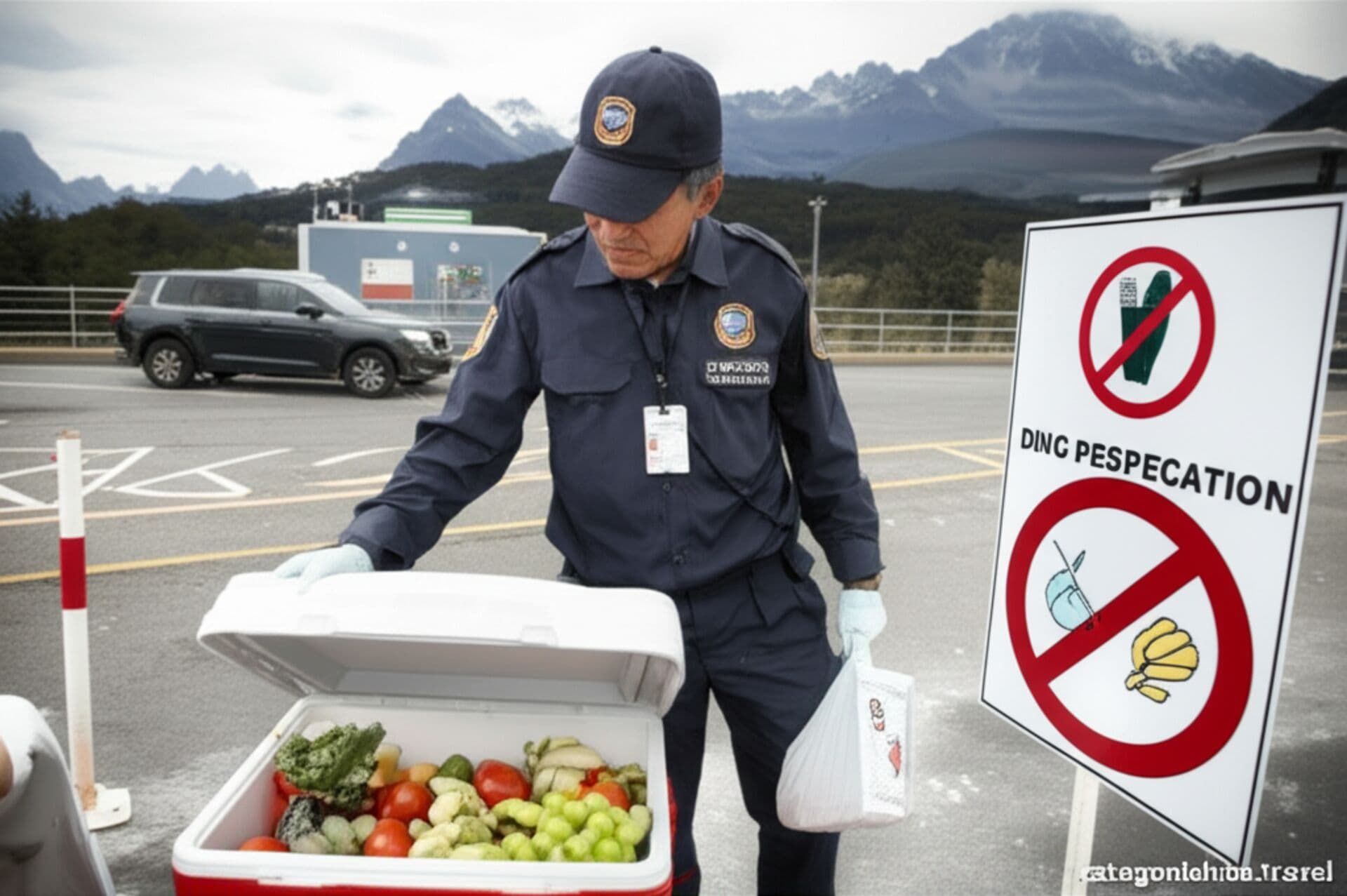
For road trippers: This means that innocent mistake of leaving an Argentine apple in your car's cupholder can result in a $200+ fine and confiscation. The rules are absolute and enforced rigorously.
What Is SAG?
SAG (Servicio Agrícola y Ganadero) is Chile's agricultural and livestock service, equivalent to the USDA in the United States. At every Chile border crossing, SAG operates alongside immigration and customs as a separate, mandatory checkpoint.
SAG's role at borders:
- Inspect all vehicles entering Chile for prohibited agricultural items
- Operate X-ray scanners to detect organic materials
- Deploy trained detection dogs to sniff out fresh produce
- Confiscate prohibited items and issue fines
- Educate travelers about Chile's biosecurity laws
Important: You cannot skip the SAG checkpoint. Every vehicle must pass through SAG inspection, even if you declare "nothing to declare" at customs.
SENASA: Argentina's Counterpart
When leaving Argentina, you'll encounter SENASA (Servicio Nacional de Sanidad y Calidad Agroalimentaria), which has similar but less strict rules for items leaving the country.
Key difference: Argentina primarily restricts export of certain native plants and endangered species, while Chile prohibits ALL fresh agricultural products from entering.
Frequently Asked Questions
Can I bring any fresh food into Chile from Argentina?
No. ALL fresh fruits, vegetables, meat, and dairy products are strictly prohibited from entering Chile, regardless of quantity or origin. This includes items purchased in Argentina just hours before crossing. Chile's phytosanitary laws have zero tolerance for fresh produce to protect against agricultural pests.
What happens if I forget an apple in my backpack at the Chile border?
If you declare it voluntarily, the item will be confiscated but you'll face no penalty. If the SAG X-ray or inspection dog finds an undeclared item, you'll receive a fine starting at $200 USD (100,000 CLP) and potentially face entry denial. Always declare everything, even if you forgot about it.
Can I bring sealed snacks and packaged food into Chile?
Yes. Commercially packaged, sealed food products in their original packaging are generally allowed. This includes chips, cookies, canned goods, instant noodles, chocolate bars, and sealed beverages. Keep receipts to prove items are commercially produced, not homemade.
What is SAG and why is Chile so strict about food?
SAG (Servicio Agrícola y Ganadero) is Chile's agricultural and livestock service that protects the country from invasive pests like the Mediterranean fruit fly and avocado seed weevil. Chile's fruit export industry is worth $5.8 billion annually, making biosecurity absolutely critical to the national economy.
What are the fines for bringing prohibited food into Chile?
First offense fines start at $200 USD (100,000 CLP) for undeclared prohibited items. Repeat violations can result in fines up to $2,000 USD, vehicle confiscation, and entry bans. Commercial smuggling of agricultural products can result in criminal charges with prison sentences up to 3 years.
Image Generation Prompt
Create a professional photograph showing a Chile border checkpoint SAG inspection area with a customs officer in official uniform inspecting a cooler filled with fresh produce that must be discarded. The scene shows warning signs about prohibited items (fruits, vegetables, meat) in Spanish. In the background, a modern car waits at the border post with Patagonian mountains visible. Style: Documentary-style travel photography with natural lighting, 16:9 aspect ratio. Include subtle 'patagoniahub.travel' branding in the bottom right corner.
Related Guides
Chile-Argentina Border Crossing by Car: Complete Guide for Self-Drivers
Everything you need to know about crossing the Chile-Argentina border by car in Patagonia. From permits and documentation to wait times, food restrictions, and step-by-step procedures - your complete 2026 guide.
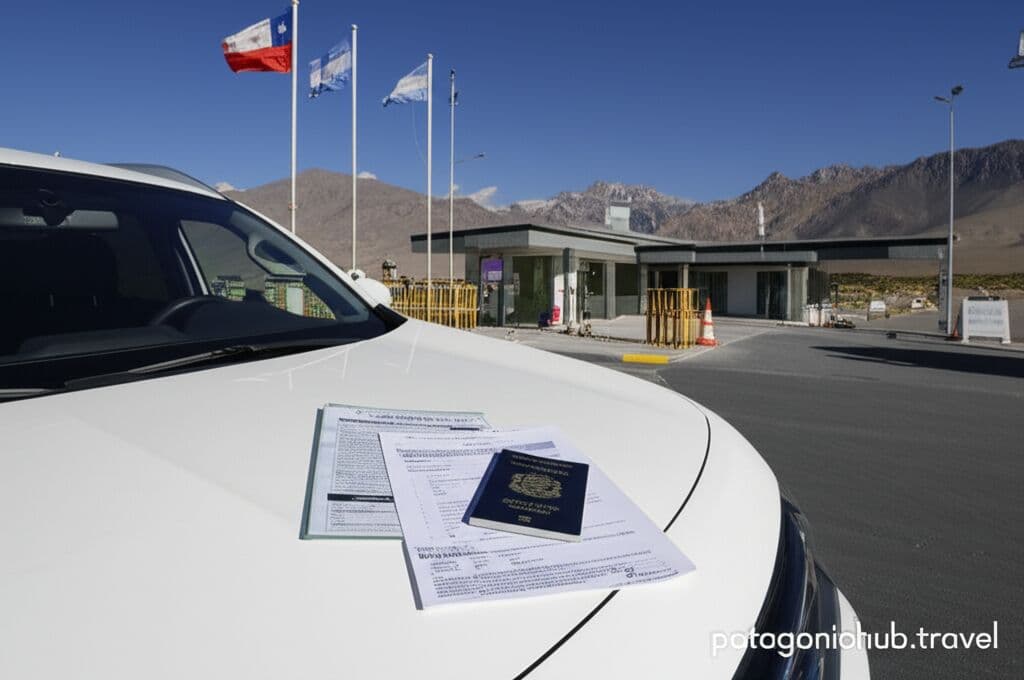
Border Crossing Permits for Rental Cars: Complete Documentation Guide
Complete guide to border crossing permits for rental cars in Patagonia. Learn about Poder Notarial requirements, costs ($80-$200), processing times (10-14 days), insurance, and essential documents needed to cross Chile-Argentina borders.
Cancha Carrera Border Crossing: Complete Step-by-Step Guide 2026
Detailed walkthrough of the Cancha Carrera / Río Turbio border crossing between Puerto Natales and El Calafate. Step-by-step procedures, documents, timings, and tips to cross smoothly.
Driving Patagonia? Ask us the awkward questions.
Border permits, one-way drop-offs, fuel gaps between towns — tell us your route and dates for El Calafate and we will come back with what actually works.
The advice is free. Booking a car or a tour through us afterwards is entirely optional.
Message written for you — edit or send as is.