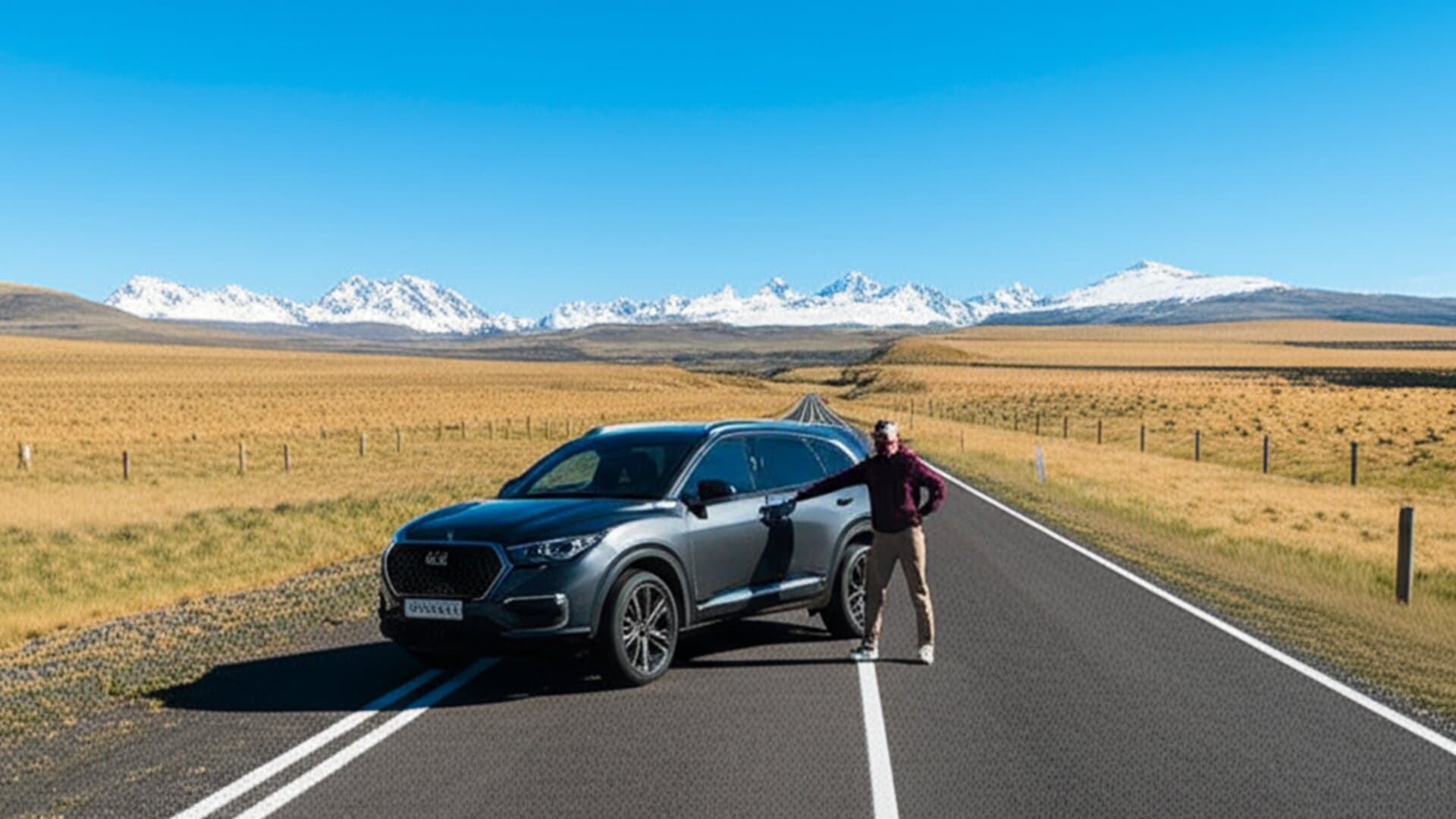
Is It Safe to Drive in Patagonia? Complete Safety Guide
Comprehensive safety guide for self-driving in Patagonia covering road conditions, weather hazards, vehicle breakdowns, border crossings, and practical tips for travelers
Is It Safe to Drive in Patagonia? Complete Safety Guide
Self-driving in Patagonia is genuinely safe and one of the best ways to experience the region's stunning landscapes. Thousands of travelers drive these routes annually without incident. The reality: Patagonian roads are safer than many highways in developed countries, with minimal traffic, friendly locals, and straightforward hazards that are easily managed with proper preparation.
Overall Safety Assessment
Patagonia ranks among the safest destinations for self-drive travel in South America. Crime against tourists is extremely rare—far rarer than in major cities. The primary concerns aren't criminal but environmental: weather conditions, road surface variations, and mechanical issues in remote areas.
Statistical context: Accident rates on Patagonian highways are significantly lower than on major routes in the US or Europe. Most incidents involve local drivers rather than tourists, and these are typically single-vehicle accidents in poor weather—preventable with careful driving.
The region benefits from:
- Minimal traffic (you'll often drive for hours without seeing another car)
- Low-density population reducing urban congestion risks
- Largely predictable road conditions
- Friendly, helpful locals and Argentine/Chilean authorities
- Well-maintained main routes (especially Route 9 in Argentina and the Carretera Austral in Chile)
Road Hazards Specific to Patagonia
Wind and Dust Storms
Wind is Patagonia's most significant road hazard. The region's open steppe experiences fierce, sustained winds—particularly in Tierra del Fuego and central Patagonia between September and December.
What to expect:
- Gusts can reach 80+ km/h (50+ mph), causing dust clouds that reduce visibility to near-zero
- Wind pushes lightweight vehicles across lanes—a problem if driving a rented compact car
- Dust storms can appear suddenly on clear days
- Most severe on open steppe sections (central Santa Cruz Province, western Tierra del Fuego)
Safety tips:
- Rent a heavier vehicle (mid-size SUV minimum) if possible—compact hatchbacks are risky
- If visibility drops dramatically, pull completely off the road, turn on hazard lights, and wait
- Adjust grip strength on the steering wheel and maintain slower speeds in windy sections
- Avoid night driving in particularly windy areas; winds tend to be strongest in afternoon/evening
Gravel Road Challenges
Many spectacular routes—especially the Carretera Austral in Chile and remote routes in Santa Cruz—are unpaved. Gravel roads are safe at appropriate speeds but hazardous if driven recklessly.
Key concerns:
- Loose gravel reduces traction, especially during braking or turns
- Washboard texture causes vehicle vibration and dust clouds
- Rocks can puncture tires or damage windshields
- Visibility is reduced when following other vehicles
- Roads can become impassable after heavy rain
Safety practices:
- Reduce speed significantly (40-60 km/h is appropriate, not the posted limits meant for paved roads)
- Increase following distance dramatically—a gravel road requires 3x the stopping distance
- Avoid hard braking; if you must stop quickly, keep wheels straight and brake gently
- Wear seat belts and ensure all occupants are secured
- Use high-beam headlights to see potholes and washboard texture
- Consider renting a vehicle rated for gravel (full-size SUV with high clearance)
- Check vehicle condition before departure: tire tread, suspension, windshield wipers
Animal Encounters
Large animals cross Patagonian roads, though collisions are uncommon. Most animals are alert to vehicles and move away, but surprises happen.
Common species and behavior:
- Guanacos (wild relatives of llamas): Usually graze in small groups; skittish and flee quickly
- Rheas (large flightless birds): Move unpredictably; may dart into traffic
- Sheep: Domestic herds near settlements; occasionally cross roads in large groups
- Armadillos, pumas, foxes: Nocturnal; rarely seen on roads
Wildlife safety:
- Reduce speed in areas marked with animal warning signs (especially dawn/dusk)
- Scan the road ahead constantly; animals often appear suddenly
- If an animal is on the road, slow gradually and allow it to move (don't honk—sudden noise can cause panic)
- Assume animals may move unpredictably; never swerve sharply to avoid them
- Never stop to photograph animals on or near the road
- Night driving significantly increases collision risk; avoid it if possible
Visibility Issues
Beyond weather-related visibility, Patagonia presents other challenges:
- Sun angle: Low sun during shoulder seasons (March-April, September-October) creates blinding glare
- Light changes: Mountains create dramatic shadow zones
- Road surfaces: Dirt and asphalt transitions catch drivers off-guard
- Oncoming headlights: At night, approaching vehicles can be blinding (especially on narrow passes)
Mitigation strategies:
- Wear quality sunglasses with side coverage
- Carry a sun visor or hat
- Adjust headlights to low beam when approaching oncoming traffic
- Use high beams on empty stretches but switch proactively
- Allow 10-15 minutes for eyes to adjust when moving between sun and shadow
Vehicle Breakdown Scenarios
Breaking down in remote Patagonia is manageable, not catastrophic. The key is preparation and knowing what to do.
What to Do If Stranded
Immediate actions:
- Pull off the road completely and turn on hazard lights
- Stay with your vehicle (it's more visible than you are; rescuers search for vehicles first)
- Turn off the engine to conserve fuel if waiting in cold weather
- Do NOT attempt to walk to help unless visibility is excellent and distance is short (under 2 km)
- Use emergency supplies while waiting for assistance
Getting help:
- Call the rental company's emergency number (this is in your contract)
- Call the local gendarmería (police, non-emergency line)
- Use WhatsApp if available (often works when regular phone calls don't)
- Flag down passing vehicles for assistance or to relay a message to the next town
Cell Phone Coverage
Coverage is surprisingly good on main routes but patchy in truly remote areas. Most of Route 9, the Carretera Austral main sections, and approaches to major towns have reliable service. However:
- Remote sections (deep Carretera Austral, Route 40 in central Santa Cruz, Tierra del Fuego interior) may have no signal
- Cliffs and mountains can create dead zones
- Cellular networks in Argentina and Chile are separate; verify your SIM card or roaming agreement works in both countries
- Prepaid SIM cards are inexpensive and reliable (buy at any cellular store)
Recommendation: Purchase a local SIM card for at least one phone. Cost is minimal (500-1000 ARS/CLP per month with data) and provides reliable coverage throughout your trip.
Roadside Assistance Options
- Rental company support: Most companies (especially larger ones) offer 24/7 roadside assistance. Your contract includes emergency contact numbers—save these in your phone
- ACA (Automóvil Club Argentino): Argentina's AAA equivalent. Offers roadside assistance memberships; valuable if renting in Argentina
- Tourism police: Both countries have specific tourism-oriented police units that assist foreign travelers
- Local mechanics: Small towns have repair shops; Argentines and Chileans are generally helpful and honest
- Fuel stations: Attendants can often help with minor issues or radio for assistance
Emergency Supplies to Carry
Pack these items in your vehicle:
Mechanical/Safety:
- Spare tire (or puncture repair kit if tire is non-standard)
- Basic tool kit: jack, lug wrench, jumper cables, flashlight with extra batteries
- Duct tape and zip ties (temporary fixes for many problems)
- Engine oil, coolant, and extra water for radiator
- Fire extinguisher (small, accessible)
Navigation/Communication:
- Printed maps of your route (phone GPS dies; maps don't)
- Paper and pen for notes
- Phone charging cable and portable power bank
- Whistle (to signal for help; carries farther than voice)
Comfort/Health:
- 2+ liters of drinking water per person
- Non-perishable snacks (energy bars, nuts, dried fruit)
- First aid kit (bandages, pain relievers, anti-diarrheal, antihistamine)
- Sunscreen and lip balm
- Extra jacket or fleece (temperatures drop significantly at night)
- Hat and sunglasses
Fuel Planning:
- Never assume fuel availability. Patagonian towns are spaced 100-200+ km apart
- Gas stations can have limited hours (closing at 6 PM in remote areas)
- Premium fuel (Súper) is ubiquitous, but diesel can be harder to find
- Fill up at every opportunity if planning a long remote stretch
- Keep a mental map of fuel stations on your route
- Never let your tank drop below 1/4 full in remote areas
Crossing Borders Safely
Most Patagonia travelers cross the Argentina-Chile border multiple times. Crossings are routine but require documentation and preparation.
Document Requirements
Essential documents:
- Passport: Must be valid for 6+ months beyond your trip
- Vehicle rental contract and proof of insurance (keep in vehicle)
- Driver's license: Your home country license is valid; International Driving Permit is recommended
- Proof of residency (rarely requested, but helpful if you have it)
Common issues:
- Photocopies of passport are NOT accepted at borders; carry the original
- Vehicle documentation must match your rental contract
- If your passport will expire within 6 months, renew it before traveling
Customs Procedures
What you can/cannot bring:
- Allowed: Personal belongings, camping gear, hiking equipment, food for personal consumption (limited)
- Prohibited: Fresh produce, dairy, fresh meat, plants, archaeological artifacts, large amounts of currency (over $10,000 USD equivalent)
- Alcohol is permitted but in limited quantities (reasonable personal use only)
Typical crossing procedure:
- Approach border control (Argentine or Chilean)
- Present passport and vehicle documents
- Officer may ask purpose of visit, duration, destination
- Vehicle may be inspected (visual check of trunk, interior—actual searches are rare for tourists)
- Passport is stamped; you're cleared to proceed
- Repeat with the other country's border control (if crossing between them)
Safest crossings for tourists:
- Cristo Redentor (Argentina-Chile, near Mendoza): Major crossing, modern facilities, reliable
- Paso de Jama (Argentina-Chile, north): Main route, well-maintained
- Puente La Frontera (near La Serena): Common route, straightforward
- Paso Pino Hachado (north-central Argentina-Chile): Scenic, well-managed
- Small crossings in Patagonia: Ramoncita, Tromen, Puerto Ibanez. Less crowded; equally safe
Avoid tiny, remote crossings unless you've verified they're still open (some seasonal closures occur).
Common Issues Travelers Face
- Confusing signage: Border areas can be poorly marked; use GPS and verify you're approaching the correct border
- Speed enforcement: Be aware of speed limits as you approach borders; enforcement increases near control points
- Vehicle inspection: Rental companies sometimes attach tracking devices; ensure your rental agreement permits crossing borders
- Duplicate payments: Never pay for services or permissions directly to officials; use official channels and ask for receipts
- Vehicle permits: Argentina and Chile no longer require separate vehicle permits for tourists, but verify this when renting
Personal Safety: What to Actually Worry About
Fuel Planning (Running Out of Gas)
This is the most realistic emergency scenario. Patagonian distances between fuel stations are substantial.
- Major routes (Route 9, Panamericana) have stations every 50-100 km
- Secondary routes may have 200+ km gaps
- Always fill up in towns, even if your tank is half full
- Keep fuel receipts to document your route if needed
- If you run out, stay with your vehicle; traffic is sparse but passing vehicles will help
Weather Preparedness
Pack for dramatic weather changes:
- Summer (December-February): Temperatures range 15-25°C (59-77°F), but can spike to 30°C or drop to 5°C
- Winter (June-August): 0-5°C typical, but storms can drop temperatures further
- Wind and rain are possible year-round
- Have jacket, windproof layers, and water-resistant gear accessible
Night Driving Considerations
Night driving in Patagonia presents genuine challenges:
- No street lights: Roads are pitch-black away from towns
- Animal collisions: More common at night
- Fatigue: Long, dark drives on straight roads cause drowsiness
- Visibility: Oncoming headlights are blinding without proper adjustment
- Temperature: Nights are significantly colder; fogged windshields are common
Recommendation: Avoid night driving entirely if possible. If necessary:
- Drive only on main routes (Route 9, Panamericana)
- Stop for 15-30 minute breaks every 2 hours
- Never drive if you feel drowsy
- Ensure windshield wipers and defrosters are functional
- Use low beams proactively when approaching other traffic
What NOT to Worry About
Carjacking and Theft
Not a concern. Carjacking is virtually unknown in Patagonia. Vehicle theft occurs in major cities but is extremely rare in the region. Your rental vehicle is safe.
- Leave doors locked in towns
- Don't leave valuables visible (standard travel practice anywhere)
- Patagonia is not a theft hotspot
Hostility Toward Tourists
Argentines and Chileans are welcoming and generally friendly to foreign visitors. Anti-tourist sentiment is essentially non-existent in Patagonia. People will help if you break down or ask for directions.
Political Instability
Both Argentina and Chile are stable, democratic countries. While Argentina has experienced economic challenges, this doesn't affect tourist safety. Political protests occasionally occur but don't target tourists and are easy to avoid.
Insurance and Legal Requirements
Vehicle Insurance
Your rental company provides third-party liability insurance (often mandatory by law). However:
- Collision damage: Usually requires additional coverage (extra daily cost)
- Personal effects: Rental insurance typically doesn't cover personal belongings
- Check your home insurance: Some home policies extend to rental vehicles abroad (significant savings)
Driving License and Legal Compliance
- Your home country driving license is valid throughout Patagonia
- International Driving Permit isn't required but is helpful
- Speed limits are posted; enforcement is occasional but real (especially near towns and borders)
- Seatbelts mandatory; use them always
Accident Procedures
If you're in an accident:
- Call your rental company immediately
- Call police (Gendarmería Nacional in Argentina, Carabineros in Chile)
- Document with photos (vehicles, scene, any damage)
- Exchange information with other parties
- Get a police report/incident number
- Report to your insurance provider
Emergency Contacts and Resources
Argentina:
- Tourism police (POLITUR): +54 11 4346 5748 or local numbers
- Gendarmería (non-emergency): 130
- Road assistance (ACA): +54 11 4804 3000
- Emergency: 911
Chile:
- Tourism police (POLITUR): +56 2 2422 7200
- Carabineros (police): 133
- Emergency: 131
General Resources:
- U.S. State Department travel advisories: travel.state.gov
- Your country's embassy/consulate (contact information in your travel documents)
- Rental company 24/7 support line (in your contract)
The Bottom Line
Driving in Patagonia is safe and rewarding. The hazards—wind, gravel, distance, weather—are environmental, not criminal or political. They're manageable with basic preparation: a suitable vehicle, emergency supplies, realistic planning, and sensible driving practices.
Thousands of travelers drive these routes each year. Many are first-time travelers to South America. The overwhelming majority have wonderful, incident-free experiences.
Do it. Drive Patagonia. Just prepare properly and drive consciously.
Last updated January 2026. Information is current for Argentina and Chile as of 2026. Road conditions and border regulations may change; verify details with your rental company and local authorities.
Image Generation Prompt
A confident traveler standing beside a modern SUV on an empty Patagonian highway under clear blue skies, with vast windswept grasslands and snow-capped mountain peaks in the distance, showing modern road infrastructure and safety features, professional travel photography
