road-trip

Torres del Paine by Car: Complete Self-Drive Guide

Master the ultimate Patagonia road trip: comprehensive guide to driving Torres del Paine National Park including routes from Puerto Natales and Punta Arenas, park logistics, viewpoints, wildlife, trekking options, and travel planning.

PatagoniaHub Travel Team
18 min read
January 6, 2026

Torres del Paine by Car: Complete Self-Drive Guide

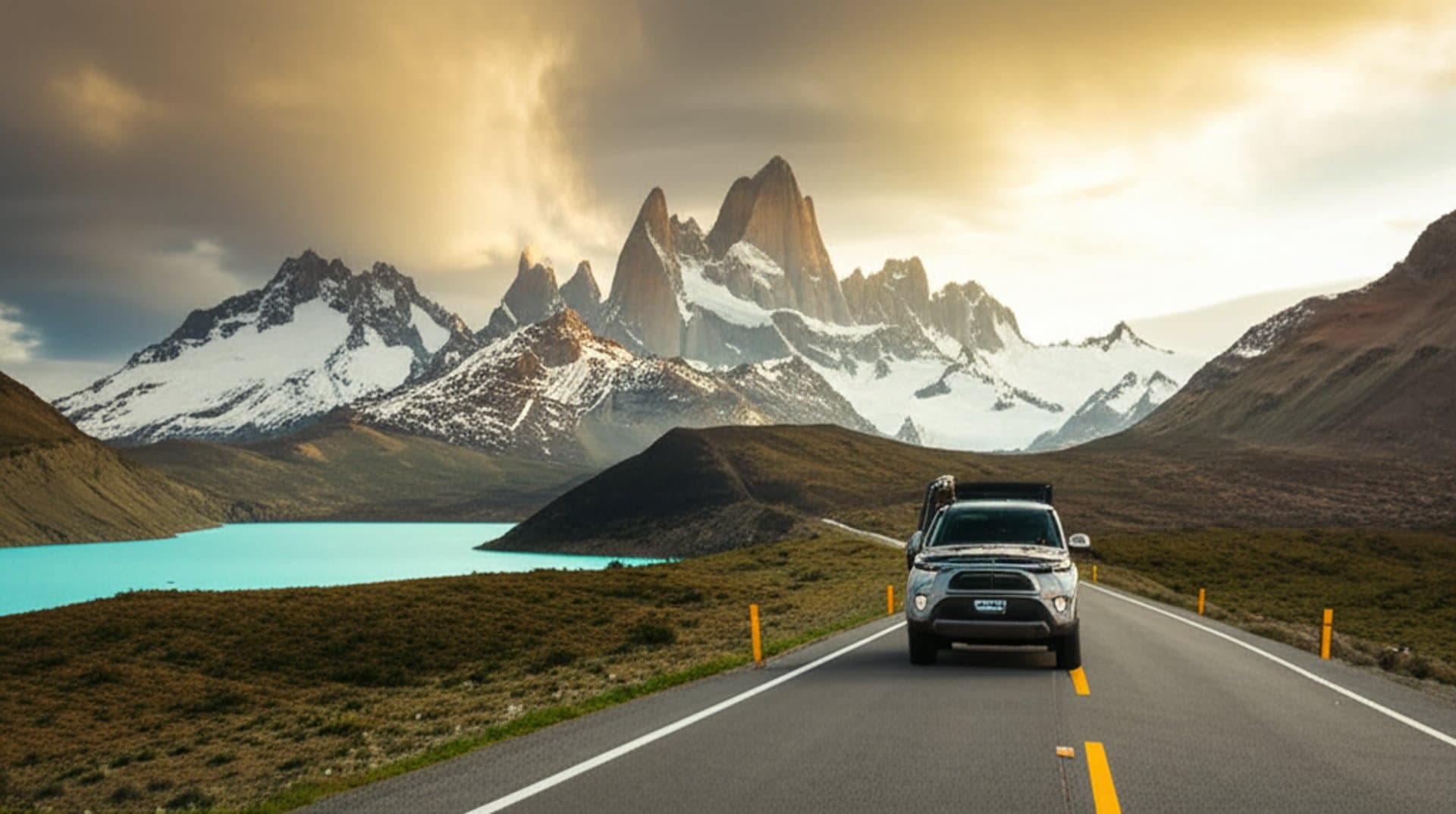
Torres del Paine National Park is Patagonia's crown jewel. The sight of those three iconic granite peaks rising from the wilderness is worth every hour of driving, every gust of wind, and every administrative detail. This isn't just a park to visit—it's a destination that fundamentally changes how you understand landscape, nature, and adventure.

Whether you have 1 day or a week, whether you're a serious trekker or prefer discovering from your rental car, this guide covers everything you need to plan and execute an unforgettable Torres del Paine road trip.

Table of Contents

  1. Torres del Paine Overview
  2. Getting There by Car
  3. Park Logistics and Entrance
  4. Self-Drive Routes Within the Park
  5. Must-See Highlights and Viewpoints
  6. Wildlife and Flora
  7. Trekking vs Car-Based Exploration
  8. Accommodation Options
  9. Best Time to Visit
  10. Budget and Cost Planning
  11. Safety, Wind, and Hazards
  12. Related Activities and Side Trips

Torres del Paine Overview {#overview}

Torres del Paine National Park covers 242,242 hectares (598,000 acres) of some of Patagonia's most dramatic terrain. The park's centerpiece—the three granite peaks known as "Las Torres" (The Towers)—soars 3,050 meters (10,007 feet) above the landscape, creating one of the world's most photographed mountain vistas.

What makes Torres del Paine special isn't just the scenery. It's the complete wilderness experience: turquoise lakes fed by glacial melt, condors wheeling overhead, guanacos (Patagonian wild relatives of llamas) grazing across windswept valleys, and the profound sense of being in a place where nature still dominates completely.

The park attracts approximately 250,000 visitors annually, making it Chile's most visited national park. Yet despite this popularity, vast sections remain wild and relatively untouched. The key is knowing where to go and when.

Why Visit Torres del Paine?

  • Iconic landscapes: The Torres, Cuernos del Paine (Horns of Paine), and Perito Moreno Glacier create photography subjects unlike anywhere else
  • Accessibility: Multiple viewpoints accessible by car; no extreme hike required to see stunning scenery
  • Wildlife: Regular sightings of guanacos, condors, and lesser birds; possible (though rare) puma encounters
  • Multi-day potential: Options for everything from a 2-hour visit to a 10-day W Trek adventure
  • Accessibility by car: Scenic drives between viewpoints; well-maintained main circuit road

Getting There by Car {#getting-there}

From Puerto Natales (Closest Gateway)

Distance: 112 km (70 miles) Driving time: 1.5 to 2 hours (one way) Road type: Paved highway (Route 9)

Puerto Natales is your best base for visiting Torres del Paine. The town has evolved from a quiet fishing village into Patagonia's primary tourism hub, with excellent restaurants, accommodations, and car rental agencies.

Route: Head north from Puerto Natales on Route 9 toward Villa Cerro Castillo. The highway gradually climbs into the Patagonian steppe. The landscape shifts from grassland to more dramatic terrain as you approach the park entrance at Laguna Sofía. Allow extra time if wind is strong (which it often is).

Checkpoint: You'll pass through a control point where rangers verify your reservation. Have your park entrance confirmation ready.

From Punta Arenas (Across the Strait)

Distance: 312 km (194 miles) Driving time: 5 to 5.5 hours (one way) Road type: Paved highway (Route 9 south to Route 23)

Punta Arenas, sitting on the Strait of Magellan, is Chile's southernmost city. It's a major hub for Argentine and Chilean Patagonia, but requires significantly more driving time to Torres del Paine.

Route: Head north from Punta Arenas on Route 9. Pass through Puerto Natales (stop here for lunch or a break) and continue to the park entrance. The driving can be monotonous across the steppe but becomes more dramatic nearing the park.

Timing tip: Consider splitting this drive. Stop in Puerto Natales for food, coffee, or a quick walk around town. The break helps with fatigue and wind exposure.

From El Calafate, Argentina (Multi-Country Route)

Distance: 340+ km (210+ miles) Driving time: 6.5 to 7.5 hours (one way) Road type: Mixed paved and gravel

This is a full-day drive requiring border crossing at Paso Integración Australis or Paso Caracol.

Route:

  1. Head northwest from El Calafate on Route 11
  2. Continue on Route 40 north (famous Ruta 40)
  3. Cross into Chile at Paso Integración Australis (typically straightforward; have passports and vehicle documents ready)
  4. Head toward Gobernador Gregores and eventually to Chile Route 9
  5. Continue to Puerto Natales and Torres del Paine

Important: Notify your car rental company of international travel. You'll need an international driving permit, vehicle registration documents, and proof of insurance valid in both countries.

Road Conditions and Seasons

Paved roads (Route 9 to park entrance):

  • Generally well-maintained year-round
  • Subject to wind and gusts that can reach 80+ km/h (50+ mph)
  • Occasional gravel patches after storms
  • Winter (May-August) may have snow; chains sometimes required

Within park:

  • Main circuit road is gravel but well-maintained
  • Subject to severe wind, especially late morning through afternoon
  • Washboard surface requires careful driving
  • Closures possible during extreme weather (very rare but documented)

Best driving conditions: October-April, with November-February offering most stable weather

Park Logistics and Entrance {#park-logistics}

Entrance Requirements and Fees

Current fees (2026):

  • Non-Chilean nationals: US $80 (approximately)
  • Chilean nationals: ~10,000 CLP
  • Fees paid at park entrance

Payment methods: Credit cards and cash (Chilean pesos preferred; USD accepted but at unfavorable rates)

Entrance points:

  1. Laguna Sofía (south entrance) - Main entry point from Puerto Natales; most accessible
  2. Sarmiento (north entrance) - Alternative route from Punta Arenas; less traffic
  3. Guardería Laguna Verde (east entrance) - For those driving the full southern route

Hours of Operation

  • Park gates: Open dawn to dusk (approximately 7 AM to 10 PM depending on season)
  • Ranger stations: Dawn to dusk
  • Self-drive access: Permitted throughout daylight hours only
  • Night driving: Not recommended due to wildlife, road conditions, and darkness (especially in winter when sunset is ~5 PM)

Park Map Overview

The park is roughly circular with several key zones:

  1. Laguna Sofía - South entrance
  2. Lago Pehoé - Central lakes with Salto Grande waterfall
  3. Refugio Grey area - Grey Glacier access
  4. Torres del Paine - North section, iconic viewpoints
  5. Estancia Lazo - East section; less visited
  6. Paso Guanaco - Southernmost viewpoints
  7. Laguna Verde - East entrance

W Trek Basics for Context

While this guide focuses on car-based exploration, it's worth understanding the famous W Trek that many visitors combine with car exploration:

  • Duration: 5 days/4 nights
  • Distance: ~55 km of trekking
  • Trail sections: Day 1 (Campamento Británico), Day 2 (Torres del Paine peaks), Day 3 (Lago Grey), Day 4 (Valle del Francés), Day 5 (Mirador Base Torres)
  • Combination strategy: Drive to trailheads, day-hike sections, or combine car days with trek sections

Many visitors do 1-2 days of trekking while using their car to explore other areas.

Self-Drive Routes Within the Park {#self-drive-routes}

Main Circuit by Car

The primary self-drive route creates a rough loop, though you'll backtrack on some sections.

Total distance: ~280 km (174 miles) round trip Total driving time: 8-10 hours (spread across multiple days) Road type: Gravel; variable conditions

Suggested route sequence (starting from Laguna Sofía entrance):

  1. Laguna Sofía → Lago Pehoé (40 km, 45 min)

    • Climb higher into the park
    • First views of Cuernos del Paine peaks
    • Watch for guanacos on the landscape
    • Stop at scenic pullouts (multiple opportunities)
  2. Lago Pehoé → Salto Grande Waterfall (2 km detour, 5 min drive)

    • Short walk to see the waterfall where Lago Pehoé drains into Lago Nordenskjöld
    • Excellent photography location
    • Often windy; hold onto your hat
  3. Continue to Refugio Grey area (25 km, 30 min)

    • Approach Grey Glacier
    • Stop at various viewpoints overlooking the glacier and Lago Grey
    • 30-45 minute walk to Mirador Grey (optional; viewable from car stops)
  4. Return toward Lago Pehoé; head north to Torres viewpoints (45 km, 60 min)

    • Drive toward Amministración area
    • Access trail to Torres del Paine (famous viewpoint)
    • The drive itself offers increasingly dramatic views
  5. Campamento Británico area (15 km from main road, 30 min each way)

    • Optional side trip (gravel road)
    • Short walk to valley viewpoint
    • Fewer crowds than main Torres viewpoint
  6. Return loop via Paso Guanaco (50 km, 70 min)

    • Southern return route offering different perspectives
    • Stop at various mirador (viewpoint) pullouts
    • Watch for wildlife in open steppe

Scenic Stops and Photography Locations

Top car-accessible viewpoints:

  1. Salto Grande - Where two lakes meet; dramatic waterfall
  2. Mirador Grey - Panoramic view of Grey Glacier and mountain backdrop
  3. Mirador Cuernos - View of the iconic Cuernos del Paine peaks
  4. Mirador Base Torres - Start of trek to Torres viewpoint; car access to parking area
  5. Laguna Verde - Eastern viewpoint; turquoise lake color especially vivid in afternoon light
  6. Mirador Nordenskjöld - Lake views with Cuernos backdrop
  7. Paso Guanaco - Southernmost point; exposed plateau with 360° views

Photography timing: Sunrise light (6-7 AM in summer) and golden hour (6-8 PM in summer) offer the most dramatic lighting. Wind is typically strongest midday (11 AM-3 PM), making early morning or late afternoon ideal.

Distances and Driving Times

Quick reference for drive times (one-way, from park entrance):

Destination Distance Drive Time Quality
Salto Grande 45 km 50 min Essential
Mirador Grey 65 km 75 min Excellent
Torres Trailhead 85 km 110 min Must-see
Campamento Británico 100 km 130 min Optional
Laguna Verde 110 km 140 min Good
Paso Guanaco 120 km 150 min Scenic

Must-See Highlights and Viewpoints {#highlights}

The Three Torres (Torres del Paine Peaks)

The three granite towers—North Tower (3,050 m), Central Tower (3,050 m), and South Tower (2,850 m)—are Patagonia's most iconic image. The towers themselves are visible from multiple locations but are most stunning from the Mirador Base Torres trailhead parking area.

Best view: The famous photograph requires either a 2-hour hike to the base or a drive to the parking area followed by a moderate 1-hour walk. No car access to the iconic viewpoint itself.

Car-accessible alternatives:

  • Views from the drive approach are excellent
  • Campamento Británico offers a different angle
  • Various pullouts along the main road provide good photo opportunities

Perito Moreno Glacier

Wait—Perito Moreno Glacier is actually in Los Glaciares National Park near El Calafate, not in Torres del Paine. Many travelers confuse the two. If you're visiting both locations on a road trip, plan the sites separately.

However, Torres del Paine offers Grey Glacier as a comparable experience.

Grey Glacier

Inside Torres del Paine, Grey Glacier feeds Lago Grey with stunning turquoise meltwater. The glacier itself is actively calving (producing icebergs), though from a distance. The lake is a brilliant milky-blue color due to glacial flour (fine sediment).

Viewpoints:

  • Mirador Grey: Accessible by car and short walk; panoramic glacier view
  • Grey Glacier Trek: Multi-day trekking route for closer access; beyond car access

Best visit time: Late morning/early afternoon when light is best for photography

Salto Grande Waterfall

This waterfall marks where Lago Pehoé drains into Lago Nordenskjöld. It's relatively small compared to other Patagonian waterfalls, but the setting is dramatic—glacier-fed waters in a narrow channel with mountain backdrops.

Access:

  • Drive to signposted pullout (5 km from main road)
  • 10-minute walk to viewpoint
  • Extreme wind exposure; bring a wind-resistant camera

Lake Pehoé

One of three major glacier-fed lakes in the park, Pehoé's turquoise color is especially vivid in bright sunlight. The lake's name means "wild" or "savage" in Mapuche, reflecting its nature.

Views:

  • Visible from multiple pullouts along main road
  • Stunning reflections of Cuernos del Paine peaks in calm conditions (rare)
  • Best light: Sunrise and late afternoon

Cuernos del Paine (Horns of Paine)

The distinctive twin peaks known as the Cuernos (horns) are visible from almost anywhere in the central park. These dark granite peaks contrast strikingly with lighter surrounding mountains and are arguably the park's most recognizable feature (even more than the Torres).

Prime views:

  • Drive along Lago Pehoé
  • Mirador Cuernos specifically
  • Campamento Británico area

Wildlife and Flora {#wildlife}

Guanacos (Patagonian Camelids)

Guanacos are wild relatives of llamas—elegant, camel-like animals that are the largest wild land mammals in the Americas. They're extremely common in Torres del Paine and almost guaranteed sightings.

Behavior:

  • Generally skittish but curious about vehicles
  • Often stand and observe from a distance
  • Travel in herds; bachelor groups and family groups both visible
  • Most active at dawn and dusk, but visible throughout the day

Photography tip: Slow approach with engine off offers best photo opportunities

Fun fact: Guanacos can leap 3-4 meters vertically to escape predators

Pumas (Mountain Lions)

Pumas are present in the park but rarely seen. The park has a population estimated at 40-50 individuals across its 242,000 hectares. Your odds of seeing a puma in a day visit: extremely low.

If you do encounter one:

  • Don't run; maintain eye contact and back away slowly
  • Pumas are not aggressive toward humans; attacks are extraordinarily rare
  • Report the sighting to park rangers immediately

Condors and Other Birds

The Andean condor is Patagonia's iconic bird—one of the world's largest flying birds with a 3-meter wingspan. They're regularly spotted in Torres del Paine soaring along mountain ridges.

Other birds to watch for:

  • Flamincos (Chilean flamingos) - Pink-feathered, visible in shallow lakes
  • Eagles and hawks - Multiple species soaring over the landscape
  • Woodpeckers, thrushes, and finches - Smaller species in shrubland

Birdwatching tips:

  • Binoculars essential for viewing distant birds
  • Early morning (6-7 AM) offers best bird activity
  • Scan ridgelines where condors soar

Flora and Seasons

Spring (September-November):

  • Wildflowers bloom: yellow buttercups, pink primrose, magenta calafate berries
  • Guanacos have young
  • Temperatures warming; still unpredictable weather

Summer (December-February):

  • Maximum daylight (17+ hours in January)
  • Peak tourist season; all facilities open
  • Most reliable weather (though wind remains strong)
  • Vegetation at its fullest

Autumn (March-May):

  • Colors turn: golden leñas (southern beech), red-orange vegetation
  • Crowds decrease; weather becomes unstable
  • Daylight shortens rapidly

Winter (June-August):

  • Possible snow closures on park roads
  • Daylight limited (9-10 hours in June)
  • Fees lower; very few tourists
  • Magical landscape but challenging conditions

Flora Types

  • Southern beech (lenga) forest - Deciduous trees covering north park; golden in autumn
  • Steppe grassland - Open plains with hardy shrubs; subject to extreme wind
  • Cushion plants - Dense, low-growing vegetation adapted to wind
  • Lichen and moss - Abundant on rocks and dead trees

Trekking vs Car-Based Exploration {#trekking-vs-car}

When to Choose Car-Only

Best for:

  • Limited time (1-3 days)
  • Physical limitations preventing multi-hour hikes
  • Preference for comfort and flexibility
  • First-time visitors wanting to see multiple highlights efficiently
  • Families with young children

What you'll see: 50-70% of the park's most iconic sites; all major highlights; excellent photography opportunities

Time requirement: 1-2 full days

When Trekking Adds Value

Consider adding treks if:

  • You have 4-10 days available
  • You enjoy hiking and wilderness solitude
  • You want to reach iconic viewpoints (e.g., Torre viewpoint itself)
  • You want to understand the park's scale and ecosystems deeply
  • Weather permits (many treks close in extreme wind)

Popular trek combinations:

  • Day 1: Drive highlights + short Salto Grande walk
  • Day 2: 6-hour W Trek section (Campamento Británico to Mirador)
  • Day 3: Drive remaining highlights

Many visitors find the ideal balance is:

  • Day 1: Drive main circuit; explore multiple viewpoints; get oriented
  • Day 2: Full-day trek to Torres del Paine base (8-10 hours) OR Grey Glacier area
  • Day 3: Optional second day trek OR drive remaining park sections

This approach maximizes both accessibility and adventure.

Accommodation Options {#accommodation}

Inside Park Lodges

Explora Torres del Paine

  • All-inclusive luxury lodge ($$$$+)
  • Includes meals, wine, guides, activities
  • Comfortable base for trekking or day trips
  • Minimum 3-day stay

Refugio Pehoé

  • Mid-range lodge on Lago Pehoé ($$$)
  • Hiking-focused; some rooms with lake views
  • Restaurant and bar; good base for self-drive

Refugio Grey

  • Budget-friendly at glacier edge ($$)
  • Basic but comfortable rooms
  • Popular with trekkers; good for overnight stays

Las Torres Patagonia Lodge

  • Mid-range comfort ($$$)
  • Modern facilities; excellent restaurant
  • Walking distance to park entrance

Puerto Natales, 112 km away, offers more variety and better prices than in-park options.

Budget options ($ to $$):

  • Erratic Cabin (hostel with private rooms)
  • Residencial Natalia (family-run guesthouse)
  • Several backpacker hostels

Mid-range ($$$ to $$$$):

  • Aquaterrae (eco-lodge with excellent food)
  • Indigo Patagonia (comfort and style)

Advantages:

  • More restaurant variety
  • Better value
  • Town amenities (shops, cafes, nightlife)
  • Only 1.5-2 hour drive to main park highlights

Campgrounds

Budget-conscious travelers have options:

In-park camping:

  • Campamento Serón (basic facilities; $)
  • Campamento Laguna Azul (very basic; $)

Near Puerto Natales:

  • Camping Español (mid-range facilities; $$)
  • Several other options within 5 km of town

Equipment note: Bring cold-weather sleeping bag; July temperatures drop near freezing.

Best Time to Visit {#best-time}

Peak Season: November-February

Pros:

  • Best weather stability (still windy; less unpredictable)
  • Maximum daylight (16-17 hours in December)
  • All facilities and services fully operational
  • Most likely to see wildlife (especially January-February)

Cons:

  • Extremely crowded; peak pricing
  • December-January accommodation books months in advance
  • Parking areas full by 9 AM at popular viewpoints

Recommendation: Visit early November or February for better balance of weather and fewer crowds

Shoulder Season: September-October and March-April

Pros:

  • Fewer crowds than summer
  • Better prices on accommodation and park fees
  • Spectacular wildflower blooms (Sept-Oct) or fall colors (March-April)

Cons:

  • Highly unpredictable weather; rapid weather changes possible
  • Higher risk of wind extremes and sudden storms
  • Some facilities may have reduced hours

Best for: Experienced travelers comfortable with weather unpredictability; photographers seeking dramatic conditions

Winter: June-August

Pros:

  • Lowest park fees
  • Extreme solitude
  • Magical snow-covered landscape

Cons:

  • Possible road closures due to snow (rare but documented)
  • Only 9-10 hours of daylight; sunset around 5 PM
  • Extreme cold; difficult trekking conditions
  • Many facilities closed or reduced hours

Best for: Only hardy travelers seeking adventure under challenging conditions

Absolute Best Time for Most Visitors

Early February: Excellent weather balance, high daylight, manageable (though still significant) crowds, great wildlife visibility, and slightly better prices than December-January peak.

Budget and Cost Planning {#budget}

Entrance and Park Fees

  • Park entrance: US $80 (one-time)
  • Optional activities (guide services, special tours): US $40-150

Accommodation and Food

Daily accommodation costs (per person in shared accommodations):

  • Budget hostels: $30-50
  • Mid-range hotel: $80-130
  • Luxury lodge: $300-500+

Daily food costs (self-catering vs restaurants):

  • Self-catering: $25-40 per day
  • Restaurants: $50-80 per day
  • In-park dining: $60-100 per day

Vehicle and Fuel

Rental car costs: $50-100 per day (covered elsewhere; see car-rental guides)

Fuel calculations:

  • Main park circuit: ~280 km round trip
  • Fuel consumption: ~8-10 liters per 100 km (varies by vehicle and driving style)
  • Estimated fuel cost: $25-35 round trip

Sample Budget (2-Day Visit from Puerto Natales)

Item Cost
Park entrance (2 people) $160
Accommodation (2 nights) $80-150
Food $60-100
Fuel (round trip from Puerto Natales) $30
Total per person $140-220

Sample Budget (Week-Long Torres del Paine Focused Trip)

Item Cost
Park entrance $80
Accommodation (6 nights in Puerto Natales) $200-400
Food $200-300
Fuel (extended driving) $80
Car rental (6 days) $300-500
Guide service (optional; 1 day) $150
Total per person $1,010-1,510

Safety, Wind, and Hazards {#safety}

Wind: Your Primary Challenge

Torres del Paine's greatest hazard isn't wildlife or rough roads—it's wind. The park sits on an exposed plateau; prevailing westerly winds frequently exceed 50 km/h (31 mph) and sometimes reach 80+ km/h (50+ mph).

Wind hazard impacts:

  • Driving: Crosswinds can push a vehicle across lanes; SUVs more stable than sedans
  • Walking: Strong gusts can knock you off balance; difficult hiking in extreme wind
  • Visibility: Dust clouds reduce visibility
  • Temperature: Wind chill drops perceived temperature 10-15°C below actual

Wind management:

  • Drive early morning (wind typically calms slightly before noon)
  • Afternoon driving is rougher; plan major drives for morning
  • Slow your speed; leave extra distance from other vehicles
  • Take breaks if fatigued from wind exposure
  • Respect weather forecasts; severe wind days (>70 km/h) require caution

Road Safety

Gravel road risks:

  • Washboard surface: Causes rapid tire wear and impacts; drive slowly (40-50 km/h max)
  • Dust clouds: Other vehicles create visibility hazards; increase following distance
  • Potholes and rocks: Inspect undercarriage before high-clearance sections

Safe driving practices:

  • Slow, deliberate speed (30-50 km/h on park roads)
  • Full headlights on at all times
  • Expect livestock (none inside park; some on approaches)
  • Watch for guanacos; they're unpredictable

Weather Hazards

Rapid weather changes:

  • Conditions can shift from sunny to stormy in 30 minutes
  • Always carry layers and rain gear
  • Never assume a clear morning means safe all-day weather

Stream crossings:

  • Some roads cross unbridged streams; passable most seasons
  • Don't cross if water level is high or rising
  • Check with rangers about current conditions

Wildlife Safety

Guanacos: Not aggressive; simply wildlife; respectful distance recommended

Pumas: Extraordinarily unlikely encounter; if seen, back away calmly

Birds: No safety concerns

Insects: Minimal mosquitoes due to cold and wind; still bring insect repellent for calmer areas

Emergency Preparedness

Communication:

  • Limited cell coverage inside park
  • Ranger stations have communication equipment
  • Tell someone your planned route and return time

Emergency supplies to carry:

  • Extra water (2-3 liters)
  • Snacks and energy food
  • First aid kit
  • Extra fuel (park has no fuel station; fuel in Puerto Natales before entering)
  • Spare tire and basic tools
  • Warm clothing layer (even in summer)
  • Headlamp or flashlight

Medical: Nearest hospital is in Puerto Natales (1.5 hours away)

Nearby Highlights Combining with Torres del Paine

Puerto Natales Town (1.5 hours away):

  • Charming harbor town with excellent restaurants
  • Museo de la Patagonia (local history)
  • Artisan shops and galleries
  • Boat tours to Balmaceda Glacier or Serrano Waterfall

Cueva del Milodón (25 km south of Puerto Natales):

  • Archaeological site with enormous cave where prehistoric ground sloth (milodón) was discovered
  • Natural history museum
  • 45-minute visit

Estancia Tours (throughout region):

  • Working sheep or cattle ranch experiences
  • Horseback riding into Patagonian landscape
  • Lunch with gauchos; immersive culture experience
  • Half-day ($50-80) or full-day ($100-150) options

El Calafate and Perito Moreno Glacier

For travelers with 1 week+, combining Torres del Paine with El Calafate creates an epic Patagonia circuit:

Route: Torres del Paine → Puerto Natales → Punta Arenas → El Calafate (requires border crossing)

Drive time: ~8 hours; requires overnight or split into 2 days

El Calafate highlights:

  • Perito Moreno Glacier (one of world's few advancing glaciers)
  • Upsala Glacier
  • Laguna de los Tres Picos
  • Estancia experiences

Combination itinerary:

  • Day 1-3: Torres del Paine
  • Day 4: Drive to El Calafate (or Day 4 drive, Day 5-6 El Calafate)
  • Day 5-6: Perito Moreno and glacier options

Ruta 40 and Extended Road Trips

Experienced road trippers combine Torres del Paine with the legendary Ruta 40:

  • 5,000+ km route through Argentine Patagonia
  • Passes through diverse landscapes: mountains, deserts, wine regions, glaciers
  • Combines with Chilean side trips for "complete Patagonia circuit"

See our Complete 14-Day Patagonia Road Trip Guide for detailed routing.

Final Thoughts: Why the Drive Is Worth It

Torres del Paine demands time and effort. You'll navigate wind, gravel roads, and administrative details. You'll spend hours in a car and on foot. The landscape will be simultaneously beautiful and harsh.

And you'll absolutely understand why this corner of the world captures hearts and imaginations so completely.

The Patagonian wilderness doesn't offer convenient luxury or passive tourism. It requires participation, respect, and acceptance of conditions on nature's terms. In return, it offers transformation—a reset of your sense of scale, time, and what truly matters in a landscape.

Whether you have 1 day or 10, whether you drive, trek, or combine both, Torres del Paine is worth every minute.


Planning Checklist

  • Book accommodation 2-3 months in advance (peak season)
  • Reserve rental car in advance
  • Purchase park entrance tickets online (recommended) or plan for on-site purchase
  • Check weather forecast 1 week before arrival
  • Confirm vehicle has spare tire, basic tools, and emergency supplies
  • Inform rental company of your planned routes
  • Download offline maps of park area
  • Book any guided activities in advance (if desired)
  • Check passport validity (for Argentine border crossings if applicable)
  • Confirm fuel availability in Puerto Natales before entering park

Quick Reference

  • Best season: November-February; specifically early February
  • Closest town: Puerto Natales (1.5 hours)
  • Park entrance fee: US $80
  • Main circuit drive time: 8-10 hours spread over 2+ days
  • Top 3 must-see: Torres viewpoint, Salto Grande, Grey Glacier
  • Critical item to pack: Wind-resistant jacket
  • Fuel in Puerto Natales: Essential; no fuel inside park

Last updated: January 2026. Information current as of publication date; please verify park fees, hours, and conditions before your visit.

Image Generation Prompt
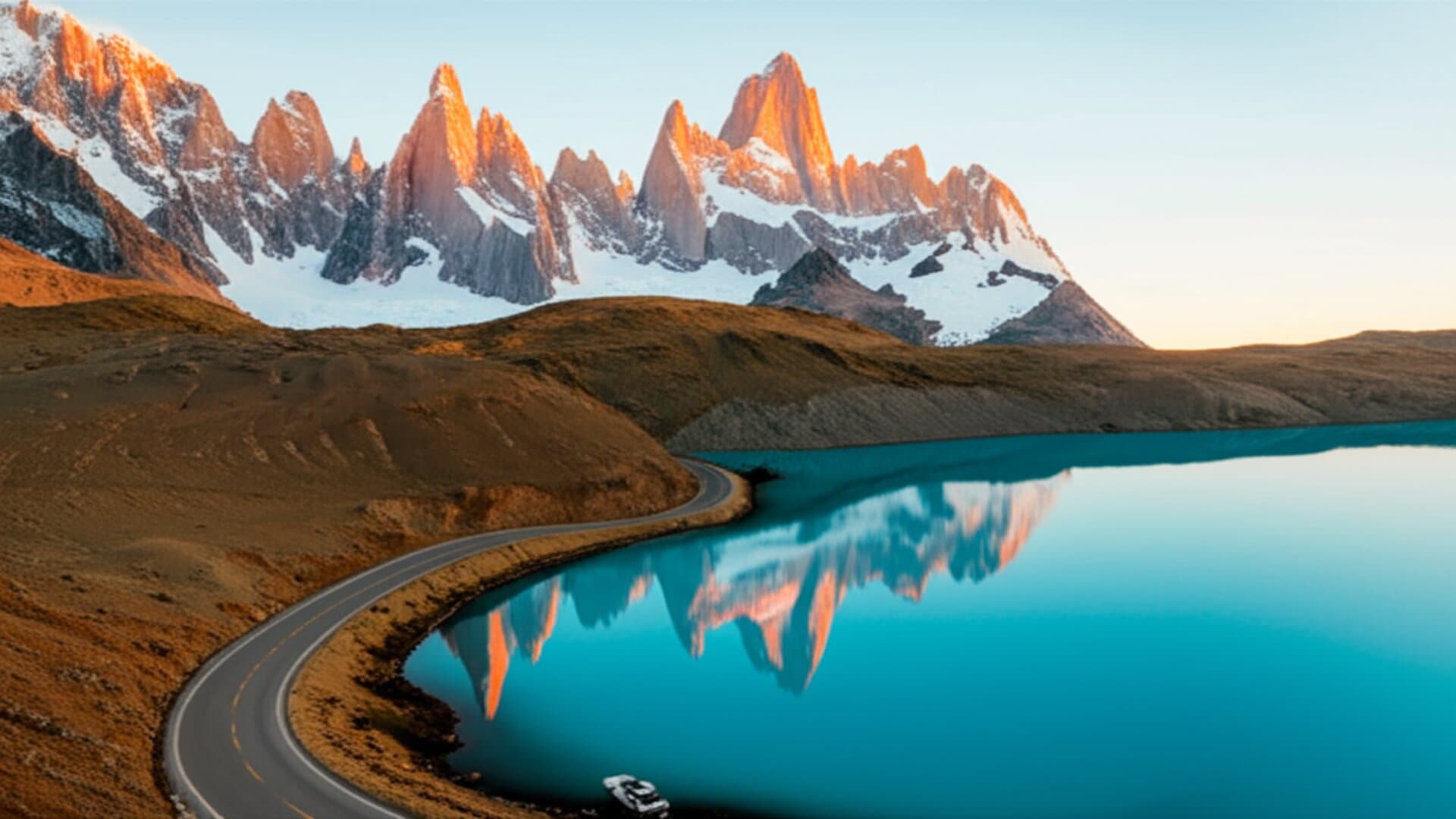
Iconic view of Torres del Paine peaks reflected in a turquoise mountain lake, a rental car visible on a scenic mountain road in foreground, dramatic granite towers towering above, sunset golden light illuminating the landscape, epic adventure road trip photography, Patagonia wilderness

Related Guides
Did you find this guide helpful?

Share:

|

|