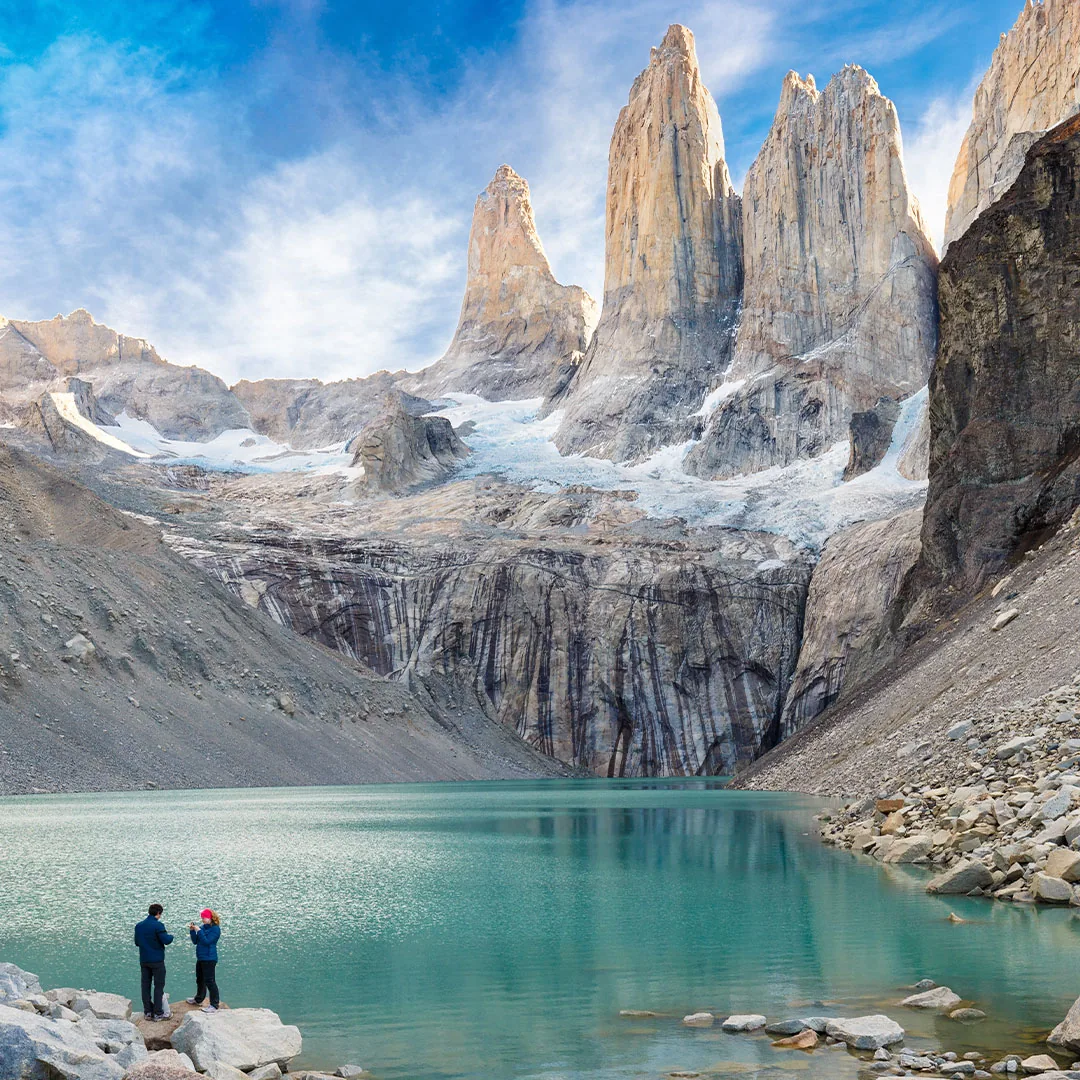
Horse Riding — Torres del Paine National Park
Experience Torres del Paine from a unique perspective, riding like a Patagonian gaucho. Explore vast estancias and iconic landscapes on multi-day horseback adventures, immersing yourself in the wild heart of Patagonia.
Updated for 2026–2027 Season6 min read
Horse riding in Torres del Paine offers an unparalleled way to connect with the raw beauty and rich culture of Patagonia. Far from a simple tourist activity, it's an immersive journey into the world of the Chilean gaucho, where the rhythmic thud of hooves on vast plains and the crisp Patagonian air become your companions. You'll traverse diverse landscapes, from open grasslands dotted with guanacos to ancient ñirre forests and riverbanks, all framed by the majestic granite spires of the Paine massif.
This activity allows for a deeper exploration of areas less frequented by typical trekkers, providing unique vantage points and an authentic sense of adventure. Whether you're an experienced rider or a curious beginner, there are options to suit various skill levels, focusing on sustainable practices and the welfare of the horses. Imagine riding across a sweeping estancia, the iconic Torres del Paine looming in the distance, feeling the spirit of the land beneath you – it’s an experience that truly captures the essence of Patagonian wilderness.
Experiences
Day Ride to Mirador Grey
moderateA full-day horseback excursion starting from an estancia near the park entrance, venturing towards viewpoints offering panoramic vistas of Grey Glacier and the surrounding mountains. Riders follow trails through forests and along rivers, experiencing diverse terrain.
Estancia Multi-Day Adventure
moderateA 3-5 day riding expedition staying at traditional Patagonian estancias. This involves daily rides across private lands and sections of the park, experiencing gaucho culture, enjoying home-cooked meals, and seeing a wide range of wildlife and landscapes.
Short Scenic Ride (Half-Day)
easyA shorter, more relaxed ride suitable for beginners or those with limited time. Typically explores the immediate surroundings of an estancia or a gentle trail with views of the Paine massif, focusing on comfort and enjoyment.
Paine River Loop Trek
moderateA full-day ride that follows sections of the Paine River, offering stunning views of the Cordillera del Paine, including the famous Cuernos and the Torres themselves. This route often provides excellent opportunities for wildlife spotting.
Gear Checklist
- ✓Comfortable riding pants or jeans (no shorts)
- ✓Layered clothing (thermal base layer, fleece, wind/waterproof jacket)
- ✓Sturdy, closed-toe shoes or riding boots (no open-toed shoes)
- ✓Sun hat, sunglasses, and high-SPF sunscreen
- ✓Gloves (for grip and warmth)
- ✓Small backpack with water, snacks, and personal items
- ✓Camera (securely stored)
Get There by Car
Browse Car RentalsBook Your Adventure
Most activities in Patagonia require your own transport. Rent a car and unlock every experience.
Browse Car RentalsCost Breakdown
| Tier | Price Range (USD) |
|---|---|
| Budget | 100-150 USD per half-day; 200-300 USD per full-day |
| Mid-Range | 300-500 USD per full-day tour with transfers and lunch; 1000-2000 USD for 2-3 day estancia rides |
| Premium | 2000-4000+ USD for multi-day, all-inclusive luxury estancia treks (3-5 days) |
Notes: Costs typically include horse rental, guide, and basic safety equipment (helmet). Mid-range and premium options often include meals, park entrance fees (if applicable), and transfers from Puerto Natales. Always confirm what is included when booking.
Best Season
The best season for horse riding in Torres del Paine is from October to April (Southern Hemisphere spring and summer). During these months, the weather is milder, with longer daylight hours and less wind, making for more comfortable riding conditions. Spring (October-November) sees the landscape burst with wildflowers, while summer (December-February) offers the most stable weather, albeit with more visitors. Autumn (March-April) brings stunning fall colors to the Lenga forests and fewer crowds.
Safety Notes
- !Always wear a helmet. Most reputable operators provide them, and it's essential for head protection.
- !Follow your guide's instructions. Horses are well-trained, but they are animals and require respectful handling.
- !Be aware of changing weather conditions. Carry appropriate waterproof and windproof gear to avoid hypothermia or discomfort.
- !Inform your guide of any medical conditions or allergies before starting the ride.
- !Stay with the group. Wandering off the trail can be dangerous in unfamiliar terrain.
Getting There
Most horse riding experiences in Torres del Paine operate from estancias located just outside the main park entrances or within the park itself. To reach these starting points, a rental car offers the most flexibility and convenience. From Puerto Natales, you can drive directly to various estancias (e.g., Estancia Cerro Guido, Estancia Laguna Amarga area) via well-maintained gravel roads (Ruta Y-290 or Y-150). Distances can range from 1.5 to 2.5 hours, depending on the specific location. While some tours offer transfers from Puerto Natales, having your own vehicle allows you to explore the wider region at your own pace before or after your ride, including accessing other park sectors. Ensure your rental car is suitable for gravel roads.
Tips
- 1Book in advance, especially during peak season (December-February), as popular estancias and guides fill up quickly.
- 2Be honest about your riding experience; this helps the outfitter match you with a suitable horse and ensures a safer, more enjoyable trip.
- 3Dress in layers. Patagonian weather can change rapidly, with sun, wind, and rain often occurring within the same day.
- 4Bring a reusable water bottle. Staying hydrated is crucial, especially on longer rides.
- 5Listen carefully to your guide. They know the horses, the terrain, and the local conditions best.
- 6While some basic Spanish is helpful, most reputable outfitters catering to international tourists will have English-speaking guides.
- 7Consider multi-day options for a truly authentic experience; day trips offer a taste, but longer treks are more immersive.
Planning the trails? Ask before you commit to dates.
Which days to book, what to skip, how to reach the trailhead — tell us your plans for Puerto Natales and we will come back with advice on timing and logistics.
The advice is free. Booking a car or a tour through us afterwards is entirely optional.
Message written for you — edit or send as is.
Before you hit the trail: Torres del Paine National Park
🎯 More Activities
📋 Practical Info for Torres del Paine National Park
Get There by Car
Most activities in Torres del Paine National Park require your own vehicle
Explore Torres del Paine National Park
More guides for this destination
Explore More
Discover more guides and resources for this destination
Destination Guide
Planning
Best Time to Visit
Best Time to Visit Torres del Paine National Park 2026 — Month-by-Month Guide
How to Get There
How to Get to Torres del Paine National Park 2026 — Flights, Driving & Transport
Budget Guide
Torres del Paine National Park on a Budget 2026 — Costs, Tips & Money-Saving Guide
Seasonal Guide
Autumn in Torres del Paine 2026 — Weather, Activities & Tips
Seasonal Guide
Spring in Torres del Paine 2026 — Weather, Activities & Tips
Seasonal Guide
Summer in Torres del Paine 2026 — Weather, Activities & Tips
Seasonal Guide
Winter in Torres del Paine 2026 — Weather, Activities & Tips
Travel Tips
Essential Travel Tips for Torres del Paine National Park (2026)
Where to Stay
Where to Stay in Torres del Paine National Park (2026) — Neighborhoods & Hotels
Weather & Climate
Torres del Paine National Park Weather Guide (2026) — Monthly Climate, Temperatures & Best Time
Adventures
Camping Guide
Camping in Torres del Paine National Park 2026 — Campsites, Tips & Gear Guide
Day Trips
Best Day Trips from Torres del Paine National Park 2026 — Distances & Driving Guide
Hidden Gems
Hidden Gems in Torres del Paine National Park (2026) — Secret Spots & Local Tips
Family Guide
Family Travel Guide to Torres del Paine National Park (2026) — Kid-Friendly Tips
Hiking Trails
Hiking Trails in Torres del Paine National Park (2026) — Best Hikes, Difficulty & Maps
Culture & Nature
Food Guide
Food Guide: Torres del Paine National Park 2026 — Local Cuisine & Restaurants
Wildlife Guide
Where to See Andean condor in Torres del Paine 2026 — Guide & Best Spots
Wildlife Guide
Where to See Flamingo in Torres del Paine 2026 — Guide & Best Spots
Wildlife Guide
Where to See Foxes in Torres del Paine 2026 — Guide & Best Spots
Wildlife Guide
Where to See Guanaco in Torres del Paine 2026 — Guide & Best Spots
Wildlife Guide
Where to See Huemul Deer in Torres del Paine 2026 — Guide
Wildlife Guide
Where to See Pumas in Torres del Paine 2026 — Guide & Best Spots
Photography Spots
Best Photography Spots in Torres del Paine National Park 2026 — Locations & Tips
Road Trips
Car Rental
Car Rental in Torres del Paine National Park 2026 — Prices, Tips & Road Guide
Road Conditions
Road Conditions in Torres del Paine National Park (2026) — Driving Guide & Fuel Stations
Driving Routes
Driving from El Calafate to Torres del Paine 2026 — Road Guide, Distance & Tips
Driving Routes
Driving from Puerto Natales to Torres del Paine 2026 — Road Guide, Distance & Tips
Driving Routes
Driving from Punta Arenas to Torres del Paine 2026 — Road Guide, Distance & Tips
Road Trip Itineraries
14-Day Complete Patagonia Road Trip — Complete Itinerary 2026
Road Trip Itineraries
21-Day Patagonia Grand Tour — Complete Itinerary 2026
Road Trip Itineraries
4-Day Torres del Paine W-Trek — Complete Hiking Itinerary 2026
Road Trip Itineraries
6-Day Puma Tracking in Torres del Paine — Wildlife Safari 2026
Road Trip Itineraries
7-Day Photography Masterclass Patagonia — Photo Trip Itinerary 2026
Road Trip Itineraries
7-Day Torres del Paine & El Calafate Road Trip — Complete Itinerary 2026
Road Trip Itineraries
8-Day Torres del Paine & Ushuaia — Tierra del Fuego Itinerary 2026
Compare
Destination Comparison
Best Hiking: Torres del Paine vs El Chaltén 2026 — Trail-by-Trail Comparison
Destination Comparison
Budget Patagonia: Chile vs Argentina 2026 — Where Your Money Goes Further
Destination Comparison
Camping vs Hotels in Patagonia 2026 — Which Accommodation Style Is Right for You?
Destination Comparison
Cerro Castillo National Park vs Torres del Paine 2026 — Which Is Better for You?
Destination Comparison
Chilean Patagonia vs Argentine Patagonia 2026 — Which Is Better for You?
Destination Comparison
El Calafate vs Torres del Paine 2026 — Which Is Better for You?
Destination Comparison
El Chaltén vs Torres del Paine 2026 — Which Is Better for You?
Destination Comparison
Northern Patagonia vs Southern Patagonia 2026 — Which Region Should You Visit?
Destination Comparison
Patagonia First-Time vs Returning Visitors 2026 — What to Do Each Time
Destination Comparison
Patagonia for Families vs Couples 2026 — Best Destinations by Travel Group
Destination Comparison
Patagonia in 1 Week vs 2 Weeks 2026 — How to Plan the Right Trip Length
Destination Comparison
Perito Moreno Glacier vs Grey Glacier (Torres del Paine) 2026 — Which Is Better for You?
Destination Comparison
Self-Drive vs Guided Tour in Patagonia 2026 — Which Travel Style Fits You?
Destination Comparison
Patagonia in Summer vs Patagonia in Winter 2026 — Which Is Better for You?
Destination Comparison
Torres del Paine vs Bariloche 2026 — Which Is Better for You?
Destination Comparison
Torres del Paine vs Los Glaciares (El Chaltén) 2026 — Which Is Better for You?
Destination Comparison
Torres del Paine vs Perito Moreno Glacier 2026 — Which Is Better for You?
Destination Comparison
Torres del Paine vs Tierra del Fuego 2026 — Which Is Better for You?
Destination Comparison
Ushuaia vs Torres del Paine 2026 — Which Is Better for You?
Destination Comparison
W Trek (Torres del Paine) vs O Circuit (Torres del Paine) 2026 — Which Is Better for You?
Explore More Guides
View all →Boat Tours in El Calafate 2026 — Best Spots, Tips & What to Expect
Boat Tours in Perito Moreno Glacier 2026 — Best Spots, Tips & What to Expect
Boat Tours in Puerto Natales 2026 — Best Spots, Tips & What to Expect
Boat Tours in Ushuaia 2026 — Best Spots, Tips & What to Expect
Boat Tours in Villa La Angostura 2026 — Best Spots, Tips & What to Expect
Cycling in Carretera Austral 2026 — Best Spots, Tips & What to Expect
Frequently Asked Questions
Do I need prior horse riding experience?
No, many outfitters offer options for all skill levels, from complete beginners to experienced riders. Be sure to communicate your experience level when booking so they can match you with an appropriate horse and route.
What is the minimum age for horse riding?
Minimum age requirements vary by outfitter, but generally, children from 7-10 years old can participate in easier, shorter rides, often with a parent or a dedicated guide supervising closely. Always check with the specific tour operator.
Are helmets provided?
Yes, all reputable horse riding tour operators in Torres del Paine will provide approved safety helmets. It is strongly recommended to wear one at all times while riding.
What kind of horses are used?
Patagonian criollo horses are commonly used. These horses are known for their strength, endurance, and calm temperament, making them ideal for the local terrain and long treks. They are well-acclimated to the Patagonian climate.
Can I bring my own snacks and water?
Absolutely. It's highly recommended to bring your own water bottle and some high-energy snacks, especially for full-day or multi-day treks. Some tours may provide lunch or snacks, but it's always good to have extra.
What if the weather is bad?
Horse riding tours may be cancelled or modified in extreme weather conditions (e.g., very high winds, heavy rain, or snow) for safety reasons. Operators will typically offer an alternative date or a full refund. Always check the weather forecast and be prepared for sudden changes.
Will I see wildlife while horse riding?
Yes, horse riding offers excellent opportunities for wildlife spotting. You are likely to see guanacos, various bird species including condors and ñandúes (rheas), and potentially foxes. Horses move quietly, often allowing closer approaches than hiking.