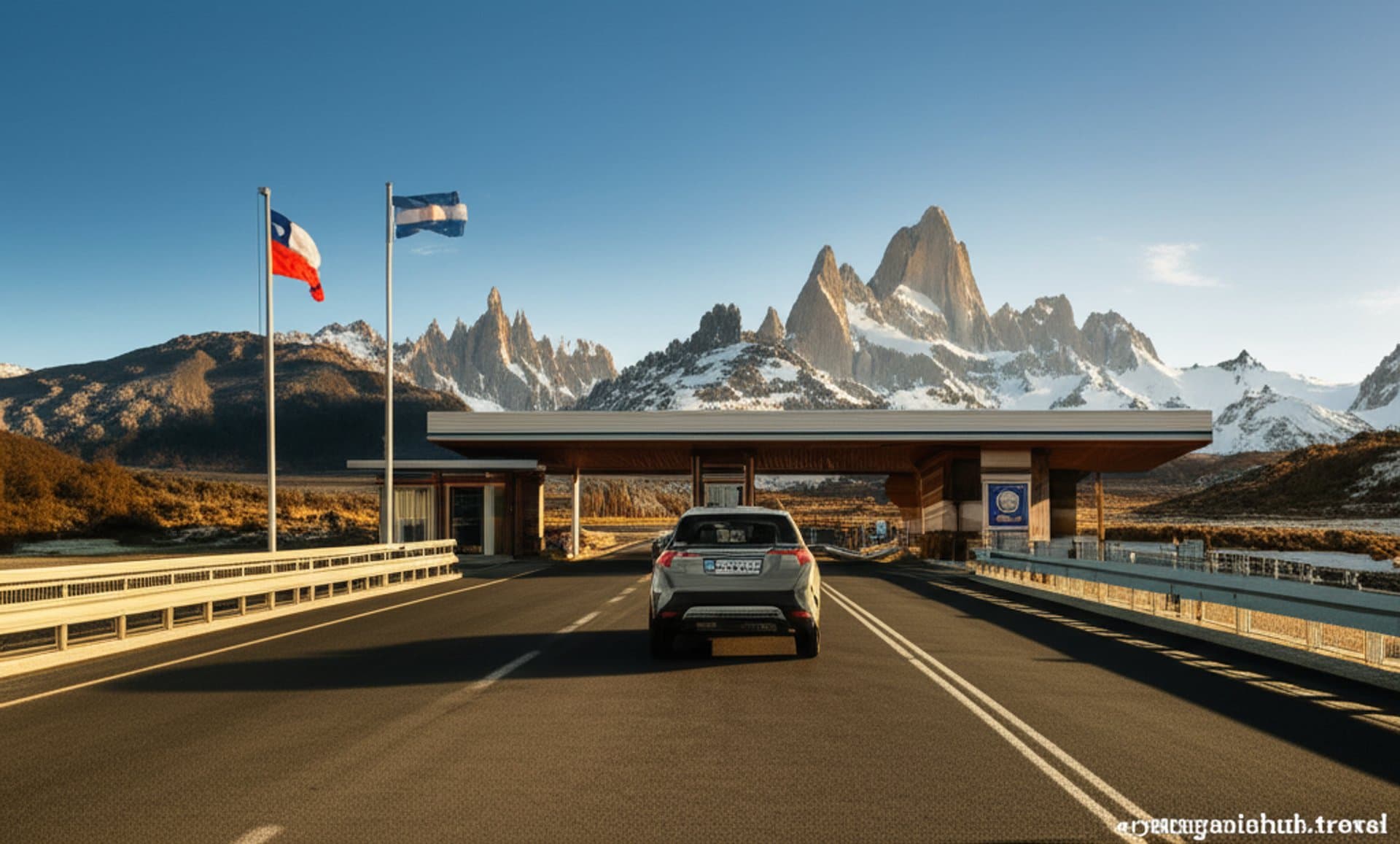
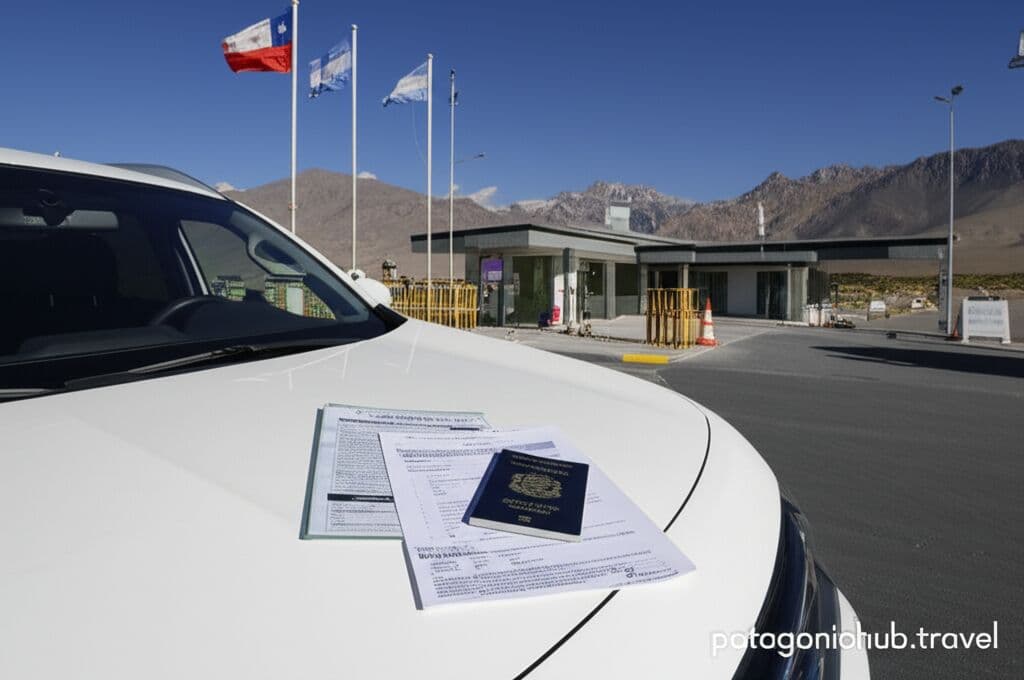
border-crossing

El Calafate to Torres del Paine: Complete Border Crossing Route Guide

The definitive guide to driving from El Calafate, Argentina to Torres del Paine, Chile. Complete turn-by-turn directions, fuel planning, border crossing procedures, and essential tips for Patagonia's most popular cross-border route.

PatagoniaHub Team
12 min read
January 6, 2026

Why This Route Matters

The drive from El Calafate, Argentina to Torres del Paine, Chile is the single most popular cross-border journey in Patagonia. Every year, tens of thousands of travelers make this trip to connect two of South America's most iconic destinations: the massive Perito Moreno Glacier and the soaring granite towers of Torres del Paine.

This route exemplifies what makes Patagonia special: dramatic landscape transitions, remote frontier crossings, and the seamless blending of Argentine and Chilean Patagonia into one unforgettable adventure.

This guide provides everything you need to successfully navigate this journey: complete turn-by-turn directions, fuel planning, border crossing procedures, optimal departure times, and insider tips accumulated from hundreds of successful crossings.

Route Overview

The Numbers

Metric Details
Total Distance 340 km (211 miles)
Total Driving Time 4.5-5.5 hours (including border)
Border Crossing Paso Integración Austral (Cancha Carrera/Río Turbio)
Road Conditions 80% paved, 20% gravel
Elevation Change 200m to 400m (generally flat)
Difficulty Easy (suitable for all vehicles)

Route Segments Breakdown

Segment Distance Time Road Type Notes
El Calafate → Río Turbio 180 km 2 hours Paved Argentine Ruta 40 & Ruta 7
Río Turbio → Border (Argentina exit) 8 km 10 min Paved Short approach to crossing
Border Crossing - 30-90 min - Variable by season/time
Border (Chile entry) → Cerro Castillo 60 km 45 min Mixed Gravel then paved
Cerro Castillo → Torres del Paine 80 km 1 hour Paved Chilean Route 9

What Makes This Route Special

Landscape transitions: You'll traverse three distinct ecosystems in a single day:

  • Argentine steppe: Vast, wind-swept grasslands around El Calafate
  • Coal mining region: Industrial Río Turbio with working mines
  • Chilean Patagonia: Dramatic mountain scenery approaching Torres del Paine

Cultural experience: Cross from Spanish-speaking Argentina to Spanish-speaking Chile, but with distinctly different cultures, currencies, and traditions.

Gateway to adventure: This route is not just a drive - it's the beginning of world-class trekking, glacier excursions, and wildlife encounters.

Complete Turn-by-Turn Directions

Departure: El Calafate, Argentina

Starting point: El Calafate town center (Avenida del Libertador)

Before you leave:

  • Fill fuel tank completely (next gas is 180 km away)
  • Dispose of all fresh food (border confiscation guaranteed)
  • Check you have all border documents (see documentation section)
  • Set odometer or note starting mileage
  • Departure time recommendation: 7:00-8:00 AM

Segment 1: El Calafate → Río Turbio (180 km, 2 hours)

Kilometer 0 - 15: El Calafate to Ruta 40

  1. From El Calafate center, head west on Avenida del Libertador
  2. Continue straight as it becomes Ruta Provincial 11
  3. After 5 km, reach junction with Ruta Nacional 40
  4. Turn LEFT (south) onto Ruta 40 toward Río Turbio
  5. Sign will say: "Río Turbio 175 km / Paso Cancha Carrera"

Kilometer 15 - 100: Ruta 40 South

  1. Follow Ruta 40 south through open Argentine steppe
  2. Road is smooth, paved, two-lane highway
  3. Speed limit: 110 km/h (but watch for guanacos crossing)
  4. Landscape: Vast grasslands, distant mountains, very few structures

Notable landmarks along this stretch:

  • Km 45: Small estancia (ranch) on right side
  • Km 78: Junction with unpaved road to Lago Argentino (ignore, continue straight)
  • Km 95: First views of snow-capped mountains ahead (Chilean border range)

Kilometer 100 - 165: Approach to Río Turbio

  1. Landscape becomes more rolling with hills
  2. You'll start seeing coal mining infrastructure
  3. At Km 165, junction with Ruta Provincial 7
  4. Turn RIGHT (west) toward Río Turbio
  5. Sign: "Río Turbio 15 km / Chile"

Kilometer 165 - 180: Entering Río Turbio

  1. Road descends into valley where Río Turbio is located
  2. Pass coal mine entrances on both sides
  3. Arrive in Río Turbio town center at Km 180

In Río Turbio (Optional 15-minute stop):

Last fuel before Chile: YPF gas station on main street (Avenida Mineros)

  • Location: Before the town center, right side
  • Services: Fuel, restrooms, small shop
  • Fuel type: Premium and regular gasoline, diesel
  • Price: Typically 10-15% cheaper than Chilean fuel

Other services in Río Turbio:

  • ATM (last Argentine pesos withdrawal opportunity)
  • Small supermarket (restock packaged snacks only - no fresh food!)
  • Public restrooms near plaza
  • Mobile phone signal (last reliable signal before border)

Should you stop in Río Turbio?

  • Yes, if: You need fuel, bathroom break, or cash
  • No, if: You filled up in El Calafate and want to minimize border wait time

Segment 2: Río Turbio → Argentina Border Exit (8 km, 10 minutes)

  1. From Río Turbio center, continue west on main road
  2. Road climbs slightly out of town
  3. Follow signs: "Chile / Aduana / Paso Cancha Carrera"
  4. At Km 188 (8 km from Río Turbio), arrive at Argentine Border Control

Segment 3: Border Crossing Procedures

IMPORTANT: See dedicated border crossing section below for detailed step-by-step procedures. Budget 30-90 minutes for the complete crossing.

Segment 4: Chile Border → Cerro Castillo (60 km, 45 minutes)

  1. After clearing Chilean border control, continue west
  2. Road transitions from paved to gravel for the next 35 km
  3. Speed limit on gravel: 60-80 km/h
  4. Road quality: Good graded gravel, some washboard sections

Kilometer 0 - 35: Gravel Section

  1. Drive cautiously - gravel can be slippery, especially after rain
  2. Watch for loose stones that can chip windshield
  3. Keep steady speed (60-70 km/h ideal)
  4. Landscape: Transition from steppe to more vegetated Chilean terrain

Kilometer 35 - 60: Paved Road to Cerro Castillo

  1. At Km 35, road becomes paved again
  2. Quality improves significantly
  3. First views of Cerro Castillo mountain ahead
  4. Arrive in Cerro Castillo village at Km 60

In Cerro Castillo (Recommended stop):

Fuel: COPEC gas station on main road

  • Location: North end of town, left side
  • Services: Fuel, restrooms, small convenience store
  • Recommendation: Fill up here if you're going to Torres del Paine (no gas in the park)

Other services:

  • Small grocery store (restock food after border crossing)
  • Restaurant: La Estancia (basic Chilean meals)
  • Mobile signal: Entel and Movistar coverage
  • Public restrooms: In town plaza

Cerro Castillo stop recommendations:

  • Essential: Fuel if going to Torres del Paine
  • Recommended: 10-minute stretch break, bathroom, purchase water/snacks
  • Optional: Quick lunch (add 30-45 minutes)

Segment 5: Cerro Castillo → Torres del Paine (80 km, 1 hour)

  1. From Cerro Castillo, continue west on Ruta 9
  2. Road is paved, good quality, two lanes
  3. Speed limit: 100 km/h

Kilometer 0 - 25: Open Road

  1. Follow Ruta 9 through rolling hills and grasslands
  2. Landscape becomes more dramatic with mountain views
  3. Watch for guanacos, rheas (ñandúes), and foxes

Kilometer 25 - 60: Approaching the Park

  1. Mountains become more prominent ahead
  2. At Km 40, sign: "Torres del Paine 40 km"
  3. Road quality remains excellent

Photo stop recommendation (Km 45):

  • Pull over at viewpoint on right side
  • First clear views of Torres del Paine massif (weather permitting)
  • Great spot to capture the mountains with foreground interest

Kilometer 60 - 80: Final Approach

  1. At Km 65, junction with road to Puerto Natales (ignore, continue straight)
  2. Begin to see park entrance signs
  3. At Km 78, reach Laguna Amarga Entrance (main eastern entrance)

Torres del Paine Park Entrances:

You have two entrance options:

Option 1: Laguna Amarga (Km 78)

  • Main eastern entrance
  • Direct access to Las Torres trailhead
  • Administration office, rangers, information
  • Pay entrance fee here (21,000 CLP / $25 USD for foreigners)

Option 2: Continue to Sarmiento/Portería Principal (Km 95)

  • Central park entrance
  • Access to Lago Pehoé, Salto Grande
  • Larger visitor center
  • Also accepts entrance fee payments

Arrival: Torres del Paine National Park

Total journey time from El Calafate: 4.5-5.5 hours including border crossing

Entrance fees (2026 rates):

  • High season (Oct 1 - Apr 30): 21,000 CLP (~$25 USD)
  • Low season (May 1 - Sep 30): 11,000 CLP (~$13 USD)
  • Children under 18: Free
  • Payment: Cash (Chilean pesos) or credit card

First stops in the park:

  • Stop at administration office to get park map
  • Use restrooms (limited facilities in the park)
  • Ask rangers about current trail conditions
  • Verify campsite/lodge reservations

Detailed Border Crossing Procedures

What to Expect

The Paso Integración Austral crossing involves exiting Argentina and entering Chile through connected but separate border posts. The process includes passport control, customs inspection, agricultural checks, and vehicle documentation review.

Total crossing time:

  • Low season (May-Sept): 30-45 minutes
  • Shoulder season (Oct-Nov, Mar-Apr): 45-75 minutes
  • High season (Dec-Feb): 60-120 minutes
  • Peak days (holidays): Up to 3 hours

Step-by-Step Crossing Process

STEP 1: Approach Argentine Border Control

  1. Slow down as you approach the border complex
  2. You'll see signs: "Aduana Argentina / Gendarmería Nacional"
  3. Join the vehicle queue (separate lanes for cars vs. trucks)
  4. Turn off engine while waiting in line (can be 5-30 minutes)

STEP 2: Argentine Immigration (Exit)

  1. Pull forward to the immigration booth when signaled
  2. All passengers must exit the vehicle with passports
  3. Enter the immigration building
  4. Present passports to the Argentine immigration officer
  5. Officer will ask basic questions:
    • "¿A dónde van?" (Where are you going?) → Answer: "Torres del Paine" or "Chile"
    • "¿Cuánto tiempo estuvieron en Argentina?" (How long were you in Argentina?)
  6. Officer stamps passports with exit stamp
  7. Return to vehicle

STEP 3: Argentine Customs (Vehicle Exit)

  1. Drive forward to customs inspection area
  2. Present vehicle documents:
    • Rental contract
    • Argentine CDI (temporary import permit - you received this when entering Argentina)
    • Proof of insurance
  3. Officer will collect and cancel your CDI permit
  4. May ask to open trunk for inspection (cooperate politely)
  5. Receive clearance to proceed to Chile

STEP 4: No Man's Land (5 km)

  1. Drive approximately 5 km between borders
  2. Road is paved, well-marked
  3. No stopping allowed in this zone (except for animal crossings)
  4. Speed limit: 60 km/h
  5. Watch for guanacos and other wildlife

STEP 5: Chilean Border Control (Entry)

  1. Arrive at "Aduana Chile / PDI Chile" complex
  2. Join vehicle queue for Chilean entry
  3. More traffic here typically (stricter inspections)

STEP 6: Chilean Immigration (Entry)

  1. All passengers exit vehicle with passports
  2. Enter Chilean immigration building (PDI - Policía de Investigaciones)
  3. Fill out Chilean entry form (provided at counter or available in vehicle queue)
  • Full name, passport number, nationality
  • Purpose of visit: Tourism
  • Duration of stay
  • Address in Chile (write "Puerto Natales" or your hotel)
  1. Present form and passports to PDI officer
  2. Officer asks questions:
  • "¿Motivo de su visita?" (Reason for visit?) → "Turismo"
  • "¿Cuántos días estará en Chile?" (How many days in Chile?)
  • "¿Dónde se va a hospedar?" (Where will you stay?)
  1. Receive Chilean entry stamp in passport
  2. Keep the entry form - you'll need it to exit Chile later

STEP 7: Chilean Agricultural Inspection (SAG - Critical Step)

  1. Drive forward to SAG (Servicio Agrícola y Ganadero) inspection area
  2. This is the strictest inspection - be prepared
  3. Officer will ask: "¿Lleva frutas, verduras, carnes, lácteos?" (Carrying fruits, vegetables, meats, dairy?)
  4. Answer honestly - Detection dogs are present
  5. ALL fresh food will be confiscated, no exceptions:
  • Fresh fruits and vegetables
  • Meat products (even packaged salami)
  • Dairy products (cheese, yogurt, butter)
  • Eggs, honey, seeds
  1. Trunk and cabin inspection (they check everywhere)
  2. Luggage may go through X-ray scanner
  3. Packaged, commercially sealed snacks usually allowed
  4. Receive agricultural clearance slip

Penalties for undeclared food:

  • First offense: $200-$500 USD fine
  • Undeclared prohibited items: $500-$2,000 USD fine
  • Can result in vehicle confiscation in extreme cases

STEP 8: Chilean Customs (Vehicle Entry)

  1. Present vehicle documents to Chilean customs officer:
    • Passport
    • Rental contract
    • Poder Notarial (notarized authorization from rental company)
    • Vehicle registration (Padrón)
    • Proof of insurance valid in Chile
  2. Officer reviews documents carefully
  3. May ask: "¿De quién es el vehículo?" (Whose vehicle is this?) → "Es un auto de alquiler" (It's a rental car)
  4. Officer may enter vehicle information into computer system
  5. You'll receive a temporary vehicle import slip for Chile
  6. Keep this slip - you need it to exit Chile later
  7. Final clearance to enter Chile

STEP 9: Exit Border Complex

  1. Drive forward through final checkpoint
  2. Exit the border complex onto Chilean road
  3. Welcome to Chile!

Documents Checklist for Border Crossing

Before approaching the border, verify you have:

Passenger Documents:

  • Passports (all passengers, valid for 6+ months)
  • Argentine exit stamps (will receive at border)
  • Pen to fill out Chilean entry forms

Vehicle Documents:

  • Rental car contract (original or certified copy)
  • Poder Notarial (notarized authorization from rental company)
  • Vehicle registration document (Padrón)
  • Proof of insurance valid in both Argentina and Chile
  • Argentine CDI permit (temporary import permit you received entering Argentina)
  • Rental company emergency contact information

Other Useful Documents:

  • Hotel confirmation in Chile
  • Return flight itinerary
  • International Driving Permit (recommended)
  • Copy of rental company's border crossing authorization email

Common Border Crossing Mistakes

Mistake 1: Bringing prohibited food

  • Why it's a problem: Automatic confiscation + fines of $200-500 USD
  • Solution: Eat or dispose of all fresh food before border, restock in Cerro Castillo

Mistake 2: Missing vehicle documents

  • Why it's a problem: You'll be turned back, losing hours
  • Solution: Create a "border folder" with all documents, keep in glove compartment

Mistake 3: Crossing during peak hours

  • Why it's a problem: Wait times can exceed 2 hours
  • Solution: Cross early morning (before 9 AM) or early afternoon (2-3 PM)

Mistake 4: Not budgeting enough time

  • Why it's a problem: Rushed border crossings lead to mistakes and stress
  • Solution: Always budget 90 minutes minimum for the crossing

Mistake 5: Forgetting to keep Chilean import slip

  • Why it's a problem: Can't exit Chile without it, requires police report and delays
  • Solution: Tape it to your vehicle registration immediately after receiving it

Fuel Planning Strategy

Fuel Stations on This Route

Location Distance from El Calafate Fuel Brands Services
El Calafate 0 km (START) YPF, Axion, Shell Full service, clean restrooms
Río Turbio, AR 180 km YPF Basic service, restrooms
Cerro Castillo, CL ~250 km COPEC Clean restrooms, shop
Puerto Natales, CL ~315 km COPEC, Petrobras Full service

CRITICAL: NO FUEL INSIDE TORRES DEL PAINE NATIONAL PARK

Fuel Consumption Calculation

Typical vehicle fuel consumption:

  • Compact car: 7-8 L/100km
  • SUV/Crossover: 9-11 L/100km
  • 4WD/Large SUV: 12-15 L/100km

Total distance: 340 km (El Calafate to Torres del Paine entrance)

Fuel needed examples:

  • Compact car: 340 km × 8 L/100km = 27 liters
  • Standard SUV: 340 km × 10 L/100km = 34 liters
  • Large 4WD: 340 km × 13 L/100km = 44 liters

Before departure from El Calafate:

  1. Fill tank completely (100% full)
  2. Average tank size: 50-60 liters
  3. This gives you enough fuel to reach Cerro Castillo with reserve

Option A: Skip Río Turbio, refuel in Cerro Castillo

Best for: Travelers who want to minimize border wait time

  • Depart El Calafate with full tank
  • Drive straight through Río Turbio without stopping
  • Cross border
  • Refuel in Cerro Castillo (~250 km from El Calafate)

Fuel remaining when reaching Cerro Castillo:

  • Compact car: 27L consumed, ~25-30L remaining ✅ Safe
  • Standard SUV: 34L consumed, ~15-20L remaining ✅ Safe
  • Large 4WD: 44L consumed, ~5-15L remaining ⚠️ Tight

Option B: Refuel in Río Turbio

Best for: Large vehicles, cautious drivers, those needing a break

  • Depart El Calafate with full tank
  • Stop in Río Turbio (180 km) for fuel + break
  • Cross border with 80-90% tank
  • Option to refuel again in Cerro Castillo or skip it

Advantages:

  • Argentine fuel is 10-15% cheaper than Chilean fuel
  • Provides comfortable fuel cushion
  • Good opportunity for bathroom break
  • Last Argentine pesos spending opportunity

Inside Torres del Paine:

REMEMBER: No fuel stations exist anywhere inside the park

  • Driving inside the park: Budget 60-100 km additional per day
  • Full park circuit: Approximately 180-200 km
  • Solution: Always arrive at Torres del Paine with 75%+ tank

Recommended approach:

  1. Fill up in Cerro Castillo (100% tank)
  2. Drive to Torres del Paine (80 km, consume ~8-10L)
  3. Enter park with 90%+ tank
  4. Explore park for 1-2 days
  5. Exit with 30-40% remaining
  6. Refuel in Puerto Natales or Cerro Castillo before return journey

Fuel Prices (2026 Estimates)

Argentina (Río Turbio):

  • Regular gasoline: ~$1.10 USD/liter
  • Premium gasoline: ~$1.25 USD/liter
  • Diesel: ~$1.00 USD/liter

Chile (Cerro Castillo / Puerto Natales):

  • 93 octane gasoline: ~$1.30 USD/liter
  • 95 octane gasoline: ~$1.40 USD/liter
  • Diesel: ~$1.15 USD/liter

Estimated fuel cost for the journey (one-way):

  • Compact car (27L × $1.20 avg): ~$32 USD
  • Standard SUV (34L × $1.20 avg): ~$41 USD
  • Large 4WD (44L × $1.20 avg): ~$53 USD

Best Departure Times & Seasonal Considerations

Optimal Departure Time: 7:00-8:00 AM from El Calafate

Why this timing works:

7:00 AM departure:

  • Arrive Río Turbio: ~9:00 AM (option to refuel without crowds)
  • Arrive border: ~9:30 AM (border just opened, minimal wait)
  • Cross border: ~10:00-10:30 AM (before mid-day rush)
  • Arrive Cerro Castillo: ~11:30 AM (lunch option)
  • Arrive Torres del Paine: ~1:00 PM (early afternoon, plenty of daylight)

Benefits:

  • Avoid border rush hours (10 AM - 2 PM)
  • Arrive Torres del Paine with afternoon to explore
  • Complete crossing before wind picks up (afternoon winds can be intense)
  • Beat tour bus groups (they typically cross 10 AM - 12 PM)

8:00 AM departure:

  • Similar benefits, arrive Torres del Paine ~2:00 PM
  • Still avoids worst border congestion

Departure Times to Avoid

❌ 9:00-11:00 AM: Peak border congestion with tour groups ❌ 12:00-2:00 PM: Lunch hour + heavy traffic ❌ After 3:00 PM: Risk arriving Torres del Paine near sunset (limited exploration time) ❌ After 5:00 PM winter: Dangerous to cross border in darkness

Seasonal Considerations

Summer (December - February)

Weather:

  • Temperature: 10-25°C (50-77°F)
  • Wind: Strong, especially afternoons (40-60 km/h gusts)
  • Daylight: 16-17 hours (sunrise ~6 AM, sunset ~10 PM)
  • Rain: Moderate possibility, always carry rain gear

Road Conditions:

  • All roads open and in best condition
  • Gravel sections well-maintained
  • Occasional summer road work (minor delays)

Border Crossing:

  • Longest wait times: 60-120 minutes typical
  • Peak congestion: Mid-morning to early afternoon
  • All services operating full hours (8 AM - 11 PM)

Advantages:

  • Best weather for driving and hiking
  • All park facilities open
  • Maximum daylight hours

Disadvantages:

  • Highest border wait times
  • Highest accommodation costs
  • Crowded trails and viewpoints

Tips:

  • Book accommodation 3-6 months in advance
  • Cross border before 9 AM or after 3 PM
  • Reserve campsites and refugios early

Shoulder Season (October-November, March-April)

Weather:

  • Temperature: 5-18°C (41-64°F)
  • Wind: Moderate to strong
  • Daylight: 12-15 hours
  • Rain/Snow: Possible, especially early October and late April

Road Conditions:

  • Generally good, gravel sections may be softer after rain
  • Occasional snow on mountain passes early Oct / late April
  • Less frequent road maintenance

Border Crossing:

  • Moderate wait times: 30-60 minutes
  • Less crowded than summer
  • Hours may be reduced (verify before traveling)

Advantages:

  • Excellent value (lower accommodation costs)
  • Beautiful autumn colors (March-April)
  • Spring wildflowers (October-November)
  • Fewer crowds on trails

Disadvantages:

  • More variable weather
  • Some park facilities may be closed
  • Shorter daylight hours

Tips:

  • Check border operating hours (may close earlier)
  • Carry warm layers and waterproof gear
  • Book accommodation 1-2 months ahead
  • Best value season for self-drivers

Winter (May - September)

Weather:

  • Temperature: -5 to 8°C (23-46°F)
  • Wind: Very strong, sustained high winds
  • Daylight: 8-10 hours (sunrise ~9 AM, sunset ~5-6 PM)
  • Snow: Frequent, can accumulate on roads

Road Conditions:

  • Snow and ice possible on all roads
  • Gravel sections can be treacherous when frozen
  • Border may close temporarily during storms
  • Chains may be required

Border Crossing:

  • Shortest wait times: 15-30 minutes
  • Reduced hours (typically 8 AM - 8 PM)
  • Some services closed
  • Risk of temporary closures during storms

Advantages:

  • Minimal border waits
  • Lowest rental car costs
  • Dramatic winter scenery
  • Uncrowded park (almost empty)

Disadvantages:

  • Harsh weather conditions
  • Many trails closed due to snow/ice
  • Limited park services
  • Very short daylight (requires early start)
  • Dangerous driving conditions

Tips:

  • Only recommended for experienced winter drivers
  • 4WD mandatory, snow chains essential
  • Check road and border status daily
  • Start crossing before 11 AM (arrive before dark)
  • Many lodges closed - verify accommodation availability

Verdict: Winter crossings are possible but not recommended for most travelers unless you have significant winter driving experience.

Best Months for This Route

Top recommendation: November or March

  • Excellent weather balance
  • Moderate crowds
  • Good value
  • All roads open
  • Reasonable border wait times

Runner-up: January (if you don't mind crowds)

  • Guaranteed good weather
  • Maximum daylight
  • All services operating
  • Be prepared for border delays

Avoid: June-August (unless you're an expert)

  • Harsh conditions
  • Limited services
  • Dangerous roads

What to See Along the Way

This drive offers much more than just transportation. Strategic stops can transform the journey into an experience itself.

Photo Stops & Viewpoints

Stop 1: Ruta 40 Steppe Vista (Km 50 from El Calafate)

What you'll see: Classic Argentine Patagonian steppe landscape

  • Endless grasslands stretching to horizon
  • Distant mountain ranges
  • Guanacos grazing (if lucky)
  • Typical estancia architecture

Best time: Early morning (golden light on grasslands) Duration: 5-10 minutes Facilities: None (roadside pullout)

Stop 2: Pre-Border Mountain Views (Km 95 from El Calafate)

What you'll see: First dramatic mountain views

  • Snow-capped Andes peaks
  • Transition from steppe to mountains
  • Border range panorama

Best time: Mid-morning to early afternoon Duration: 5 minutes Facilities: None

Stop 3: Cerro Castillo Mountain (In Cerro Castillo village)

What you'll see: Iconic Cerro Castillo peak

  • Distinctive castle-shaped summit (hence the name "Castillo")
  • Dramatic rock formations
  • Photogenic against blue sky

Where to shoot from: Town plaza or north end of town Best time: Afternoon (front lighting) Duration: 10-15 minutes Facilities: Full town services

Stop 4: Torres del Paine First Viewpoint (Km 45 from Cerro Castillo)

What you'll see: First clear views of Torres del Paine massif

  • Cuernos del Paine (distinctive horns)
  • Torres (granite towers) if visibility is excellent
  • Patagonian steppe with mountains backdrop

Where: Official viewpoint pullout on right side of Ruta 9 Best time: Afternoon (best lighting) Duration: 10-20 minutes Facilities: Pullout area only, no services Pro tip: Great foreground with yellow grasslands and mountains behind

Food & Refreshment Stops

Río Turbio (Km 180)

Restaurant Recommendation: El Rancho

  • Location: Main street (Av. Mineros)
  • Type: Simple Argentine parrilla (grill house)
  • Specialties: Asado (grilled meats), empanadas, milanesas
  • Price: $10-18 USD per person
  • Time needed: 45-60 minutes for full meal
  • Open: 12:00 PM - 10:00 PM

Quick stop option: La Esquina Patagónica

  • Café and bakery
  • Empanadas, sandwiches, coffee
  • 15-minute stop
  • $5-8 USD

Verdict on Río Turbio dining: Only stop if you're hungry or want authentic small-town Argentine experience. Otherwise, push through to Cerro Castillo or wait for Puerto Natales.

Cerro Castillo (Km 250)

Restaurant Recommendation: La Estancia

  • Location: Main street, can't miss it
  • Type: Chilean family restaurant
  • Specialties: Cazuela (Chilean stew), fresh salmon, lamb
  • Price: $12-20 USD per person
  • Time needed: 45 minutes
  • Open: 12:00 PM - 9:00 PM

Quick stop option: COPEC Service Station Café

  • Sandwiches, pastries, coffee
  • Very basic but convenient
  • 10-minute stop
  • $5-7 USD

Verdict on Cerro Castillo dining: Better food quality than Río Turbio. Good option if you timed your departure to arrive here for lunch.

Points of Interest

Río Turbio Coal Mining Town

What it is: Argentina's southernmost coal mining town, active since 1943

What you'll see:

  • Working coal mine infrastructure
  • Mining company town architecture
  • Industrial Patagonia (unique contrast to natural scenery)

Worth stopping?

  • Yes, if: You're interested in industrial history or need fuel/food
  • No, if: You're focused on natural scenery only

Cerro Castillo Village

What it is: Small Chilean border town (population ~500)

Why it matters:

  • Last services before Torres del Paine
  • Base for Cerro Castillo National Reserve
  • Historic estancia region

Worth stopping?

  • Yes: At minimum for fuel if going to Torres del Paine
  • Consider extended stop if: You want to explore Cerro Castillo Reserve (world-class trekking)

Cerro Castillo Reserve:

  • Stunning trekking (3-4 day circuit available)
  • Glacier-carved valleys
  • Turquoise lakes
  • Less crowded alternative to Torres del Paine

Day Trip Feasibility: Can You Do It?

The Short Answer: NO

Why it's not feasible:

Timing breakdown:

  • El Calafate → Torres del Paine: 4.5-5.5 hours
  • Minimum park exploration: 3-4 hours (just to see ONE major sight)
  • Torres del Paine → El Calafate return: 4.5-5.5 hours
  • Total: 12-15 hours minimum

Practical problems:

  1. Border crossing twice in one day:

    • Each crossing: 30-90 minutes
    • Total border time: 1-3 hours just for crossings
    • Very tiring and stressful
  2. No time to experience Torres del Paine:

    • Torres del Paine deserves MINIMUM one full day
    • Most viewpoints require 1-2 hour hikes from parking
    • You'd spend more time driving than in the park
  3. Daylight constraints:

    • Winter daylight: 8-10 hours (impossible for day trip)
    • Summer daylight: 16-17 hours (technically possible but exhausting)
  4. Border operating hours:

    • Latest crossing time: 11 PM summer, 8 PM winter
    • Risk of being stranded if delayed
  5. Physical exhaustion:

    • 9-11 hours of driving in one day
    • Plus border crossings
    • Plus hiking in the park
    • Dangerous fatigue for return drive

What You'd Miss with a Day Trip

Major Torres del Paine sights (each requiring time):

  • Salto Grande waterfall: 30-min walk from parking
  • Lago Grey glacier viewpoint: 1-hour return walk
  • Mirador Cuernos: 2-hour return hike
  • Lago Pehoé viewpoint: Roadside but deserves 20+ minutes
  • Las Torres base viewpoint: 8-hour return hike (full day)

If you tried to do a day trip, you'd:

  • See only roadside viewpoints (minimal experience)
  • Feel constant time pressure
  • Miss the magic of sunrise/sunset in the mountains
  • Have no flexibility if weather is poor
  • Risk rushing border crossings (invitation for problems)

Option 1: Stay in Puerto Natales (Recommended)

Day 1:

  • 7:00 AM: Depart El Calafate
  • 12:00 PM: Arrive Puerto Natales
  • Afternoon: Explore Puerto Natales town, waterfront, relax
  • Evening: Dinner, prepare for next day

Day 2:

  • Full day in Torres del Paine (1-hour drive from Puerto Natales)
  • See: Salto Grande, Lago Grey, Lago Pehoé, wildlife spotting
  • Return to Puerto Natales evening

Day 3:

  • Return to El Calafate (or continue to other destinations)

Advantages:

  • Proper time to experience Torres del Paine
  • Flexibility if weather is bad on Day 2
  • Enjoyable, not exhausting
  • Safer driving (well-rested)

Option 2: Stay Inside Torres del Paine

Day 1:

  • 7:00 AM: Depart El Calafate
  • 1:00 PM: Arrive Torres del Paine
  • Afternoon: Explore southern zone (Lago Grey, Salto Grande)
  • Evening: Stay at Lago Pehoé Lodge, Refugio Grey, or campsite

Day 2:

  • Morning: Sunrise at Lago Pehoé (spectacular)
  • Full day: More hiking or drive to northern zone
  • Afternoon: Begin return to El Calafate or continue journey

Advantages:

  • Wake up inside the park (magical experience)
  • Sunrise/sunset photography opportunities
  • True immersion in Patagonian wilderness

Disadvantage:

  • Much higher cost (lodges $200-500 USD/night)
  • Need advance reservations (6+ months for summer)

Only consider this if:

  • You have absolutely no flexibility to stay overnight
  • You're in peak summer (long daylight)
  • You just want to say "I've been to Torres del Paine"
  • You're willing to accept a very superficial experience

Absolute minimum itinerary:

  • 6:00 AM: Depart El Calafate
  • 11:00 AM: Arrive Torres del Paine (assuming smooth border crossing)
  • 11:30 AM - 3:30 PM: Drive park circuit, see Lago Pehoé and Salto Grande only (no hiking)
  • 3:30 PM: Begin return journey
  • 8:30 PM: Arrive El Calafate

What you'd accomplish:

  • Drive through the park
  • See a few viewpoints from the road
  • Take some photos

What you'd sacrifice:

  • Any meaningful hiking
  • Wildlife spotting opportunities
  • Flexibility for weather
  • Enjoying the experience (you'll be stressed about time)
  • Safety margin if anything goes wrong

Verdict: Don't do this. Torres del Paine deserves respect and proper time.

Reverse Direction: Torres del Paine → El Calafate

Key Differences Going the Opposite Direction

The drive from Torres del Paine to El Calafate follows the same route but has important differences in experience and strategy.

Turn-by-Turn (Reverse Direction Summary)

  1. Depart Torres del Paine eastbound on Ruta 9
  2. Drive 80 km to Cerro Castillo (1 hour)
  3. FUEL STOP IN CERRO CASTILLO (essential)
  4. Continue 60 km to Chilean border (45 min, mixed gravel/paved)
  5. Cross border (Chile exit → Argentina entry)
  6. Drive 8 km to Río Turbio
  7. Continue 180 km on Ruta 7 and Ruta 40 to El Calafate (2 hours)

Border Crossing Differences (Chile → Argentina)

Easier in some ways:

  • Argentine agricultural inspection is less strict than Chilean
  • Usually faster processing on Argentina side
  • Fewer items confiscated

Still strict:

  • Must declare all food items
  • Some items still prohibited (fresh produce, meat)
  • Vehicle inspection still thorough

Document focus:

  • You'll RETURN the Chilean temporary vehicle import slip (received when entering Chile)
  • Argentina will issue a NEW CDI permit for the vehicle
  • Keep this new CDI - you need it to exit Argentina later

Fuel Strategy (Reverse Direction)

Critical: Fill up in Cerro Castillo before leaving Chile

Why:

  • Last fuel before 240+ km
  • Next fuel: Río Turbio (240 km away)
  • Or skip Río Turbio and continue to El Calafate (320 km total)

Fuel needed from Cerro Castillo to El Calafate:

  • Compact car: ~26-28 liters
  • SUV: ~32-35 liters
  • Large 4WD: ~42-45 liters

Recommended strategy:

  1. Fuel in Cerro Castillo (100% tank)
  2. Cross border
  3. Option A: Drive straight to El Calafate (most do this)
  4. Option B: Stop in Río Turbio if you need a break (but fuel is more expensive)

Optimal Departure Times (Torres del Paine → El Calafate)

Recommended: 7:00-8:00 AM departure from park

Why:

  • Arrive border ~8:30-9:30 AM (early, less wait)
  • Cross before tour bus rush
  • Arrive El Calafate early afternoon (1-2 PM)
  • Afternoon free to explore El Calafate

Afternoon departure considerations:

2:00 PM departure:

  • Arrive border ~3:30 PM
  • Can still cross before border closes
  • Arrive El Calafate ~6:30-7:30 PM (after sunset in winter)

❌ Avoid departures after 3:00 PM:

  • Risk arriving border near closing time
  • Winter: Driving in darkness on Argentine side
  • No safety buffer for delays

Seasonal Considerations (Reverse Direction)

Summer (Dec-Feb):

  • Border closes 11:00 PM (plenty of buffer)
  • Can depart as late as 2:00 PM safely
  • Long daylight (no darkness concerns)

Winter (May-Sept):

  • Border closes 8:00 PM (tight window)
  • Must depart by 11:00 AM to safely cross before closing
  • Darkness at 5-6 PM (arrive El Calafate in dark if delayed)
  • Not recommended unless experienced winter driver

Food Strategy (Reverse Direction)

Before leaving Torres del Paine or Puerto Natales:

  • Eat breakfast
  • Dispose of ALL fresh food
  • Keep only packaged, sealed snacks
  • Chilean border confiscates fresh food just as strictly as Argentine side

Restock after border crossing:

  • Stop at Río Turbio supermarket (small selection)
  • Or wait until El Calafate (much better selection)

What's Different Scenically

Afternoon lighting:

  • Traveling east means sun is behind you
  • Less ideal for photography
  • Morning departure gives better photo light

Mountain views:

  • You're driving away from mountains (less dramatic)
  • But first 80 km still beautiful

Wildlife:

  • Guanacos more visible in afternoon (they come to roadside)
  • Rheas often seen in open steppe

Overall: Slightly less scenic than west-to-east direction, but still beautiful.

Alternative Route: Via Dorotea Border Crossing

When to Choose the Dorotea Crossing

The Dorotea border crossing is a viable alternative to Cancha Carrera, but it's not the default choice for most travelers.

Choose Dorotea if:

  1. Cancha Carrera has excessive wait times

    • Real-time reports show 2+ hour waits
    • Holiday weekend congestion
    • You can check border status online before departing
  2. You're exploring Ruta 40 northbound

    • Continuing to El Chaltén or beyond
    • Dorotea is slightly more direct for this route
  3. You prefer less-traveled roads

    • Dorotea handles ~39% of regional traffic (vs. 61% Cancha Carrera)
    • More "remote" experience
  4. You have extra time

    • Want to see a different landscape
    • No rush to arrive

Stick with Cancha Carrera if:

  • You want the fastest, most direct route
  • You're a first-time border crosser (Cancha Carrera has better facilities)
  • You're traveling in winter (Cancha Carrera better maintained)
  • You need duty-free shopping (only available at Cancha Carrera)

Route Comparison

Factor Cancha Carrera Dorotea
Distance (PN to El Calafate) 290 km 315 km
Driving Time 4.5-5 hours 5-5.5 hours
Border Wait (Summer) 60-120 min 45-90 min
Border Wait (Winter) 20-40 min 15-30 min
Road Conditions 80% paved 75% paved
Facilities Good (café, duty-free, restrooms) Basic (restrooms only)
Operating Hours (Summer) 8 AM - 11 PM 8 AM - 10 PM
Operating Hours (Winter) 8 AM - 8 PM 8 AM - 6 PM
Scenic Quality Very good Excellent (more varied)

Dorotea Route Directions (Puerto Natales → El Calafate)

From Puerto Natales:

  1. Head north from Puerto Natales on Ruta 9
  2. Drive 28 km to junction
  3. Turn RIGHT onto road toward Dorotea border
  4. Continue 55 km to Chilean border control
  5. Cross border (Chile exit → Argentina entry)
  6. Continue 15 km to junction with Ruta 40
  7. Turn LEFT (south) on Ruta 40
  8. Drive 217 km south on Ruta 40 to El Calafate

Total distance: 315 km Total time: 5-5.5 hours including border

Road conditions:

  • Ruta 9: Paved, excellent
  • Puerto Natales to Dorotea border: Paved, good condition
  • Argentina side (Dorotea to Ruta 40): Gravel for 15 km, then paved
  • Ruta 40: Paved, excellent

Dorotea Border Facilities

Chilean side:

  • Basic immigration and customs building
  • Clean restrooms
  • No shops, no café
  • Mobile signal: Limited

Argentine side:

  • Small border post
  • Basic restrooms
  • No services

Nearest services after crossing:

  • Small Argentine village: 15 km (very basic supplies)
  • Proper town (gas, food): El Calafate (230+ km)

Fuel Considerations for Dorotea Route

Critical difference: Dorotea route is 25 km longer + bypasses Río Turbio fuel station

Strategy:

  1. MUST fuel up in Puerto Natales before departure
  2. No reliable fuel between Puerto Natales and El Calafate via this route
  3. Emergency option: Small Argentine village after border (unreliable hours)

Fuel needed (Puerto Natales to El Calafate via Dorotea):

  • Compact car: ~24-27 liters
  • SUV: ~30-35 liters
  • Large 4WD: ~40-46 liters

Recommendation: Depart Puerto Natales with 100% full tank (do not attempt this route with less than full tank).

Scenic Highlights (Dorotea Route)

Advantages of this route:

  1. More varied landscapes:

    • Chilean mountains to Argentine steppe transition is more dramatic
    • Longer time in Ruta 40 scenic corridor
    • Different perspective on the Andes
  2. Wildlife sightings:

    • Ruta 40 section is excellent for guanacos
    • Rheas common
    • Andean condors frequently spotted
  3. Less traffic:

    • Quieter roads
    • More "remote Patagonia" feeling

Disadvantages:

  • 30-45 minutes longer
  • Less convenient facilities
  • Higher risk if vehicle problems (less traffic = less help available)

When NOT to Use Dorotea

❌ Avoid Dorotea if:

  1. Winter travel (May-September)

    • Earlier closing time (6 PM vs. 8 PM at Cancha Carrera)
    • Less frequent road maintenance
    • More exposure to weather delays
  2. Low fuel situation

    • If you didn't fill up in Puerto Natales, Cancha Carrera route has fuel in Río Turbio
  3. First-time border crossers

    • Cancha Carrera has more support services
    • Easier navigation
  4. Traveling with children

    • Longer drive with fewer stop options
    • No facilities if bathroom emergency
  5. Vehicle problems

    • Less traffic = harder to get help
    • No cellphone coverage in some sections

Which Route Should You Choose?

For 90% of travelers: Choose Cancha Carrera

  • Faster, more direct
  • Better facilities
  • More fuel options
  • Easier navigation

For adventurous travelers: Consider Dorotea

  • If you want a more remote experience
  • If Cancha Carrera has confirmed long waits
  • If you're already planning to explore Ruta 40

Ultimate recommendation: Unless you have a specific reason to choose Dorotea, stick with the Cancha Carrera route for your first crossing. You can always try Dorotea on a return trip.

Final Preparation Checklist

Before you leave El Calafate, verify ALL of these items:

24 Hours Before Departure

  • Check weather forecast for both sides of border
  • Verify current border operating hours (call or check online)
  • Confirm hotel/campsite reservation in Torres del Paine or Puerto Natales
  • Check vehicle condition: tires, lights, wipers
  • Review rental car company emergency contact info
  • Download offline GPS maps (Google Maps offline, Maps.me)
  • Charge phone, camera, power banks to 100%

Morning of Departure

  • Fill fuel tank to 100% in El Calafate
  • Dispose of ALL fresh food (fruits, vegetables, meat, dairy)
  • Organize all border documents in easily accessible folder
  • Check you have physical passport (not a copy)
  • Pack water (2 liters per person minimum)
  • Pack snacks (packaged, sealed items only)
  • Set odometer or note starting mileage
  • Adjust side mirrors and seat
  • Confirm departure time: 7:00-8:00 AM recommended

Border Documents Folder (Keep in Glove Compartment)

  • Passports (all passengers)
  • Rental car contract (original)
  • Poder Notarial (notarized authorization from rental company)
  • Vehicle registration (Padrón)
  • Proof of insurance valid in Chile and Argentina
  • Rental company emergency contact information
  • Copy of hotel confirmations
  • This guide (printed or on phone)

Emergency Kit

  • First aid kit
  • Flashlight with batteries
  • Basic tools (jack, spare tire, triangle)
  • Phone charger (car adapter)
  • Physical map of Patagonia (backup for GPS failure)
  • Emergency cash (both Argentine pesos and Chilean pesos)
  • Sunscreen and sunglasses
  • Warm layers (weather changes quickly)
  • Rain jacket (always in Patagonia)

Safety Numbers to Save in Phone

Chile:

  • Emergency (general): 133
  • Carabineros (police): 133
  • Medical emergency: 131
  • Road assistance COPEC: 800 200 010

Argentina:

  • Emergency (general): 911
  • Police: 101
  • Medical emergency: 107
  • Road assistance ACA: 0800 777 2894

Rental Company:

  • Save your rental company's 24-hour emergency number

Common Questions About This Route

"Is the road dangerous?"

No. The El Calafate to Torres del Paine route is one of the safest major routes in Patagonia:

  • Mostly paved, well-maintained roads
  • Low traffic volume
  • Clear signage
  • No dangerous mountain passes
  • Regular patrol by authorities

Main hazards to watch for:

  • Wildlife crossings (guanacos, rheas, foxes)
  • Strong crosswinds (can affect vehicle stability)
  • Gravel section after border (drive slower)
  • Fatigue from long driving (take breaks)

"Do I need travel insurance?"

Highly recommended, yes.

Good travel insurance should cover:

  • Medical emergencies in both countries
  • Emergency evacuation
  • Trip interruption
  • Vehicle accident medical costs
  • Lost/stolen documents

Note: Your rental car insurance covers the vehicle, but does NOT cover your medical costs if injured.

Cost: ~$50-100 USD for a 7-day Patagonia trip

"Can I bring my drone?"

Argentina: Drones allowed with registration (ANAC permit required for commercial use)

Chile: Drones allowed with restrictions:

  • Cannot fly in national parks without CONAF permit
  • Torres del Paine: PROHIBITED without special authorization (very rarely granted)
  • Border areas: Prohibited

Verdict: You can bring a drone, but cannot legally fly it in Torres del Paine without special permit (which takes weeks to obtain and is usually denied).

"Is there mobile phone coverage?"

Coverage quality:

  • El Calafate: Excellent (4G)
  • Ruta 40 to Río Turbio: Intermittent to none
  • Río Turbio: Good (3G/4G)
  • Border crossing: Limited to none
  • Cerro Castillo: Moderate (3G)
  • Cerro Castillo to Torres del Paine: Intermittent
  • Torres del Paine: Very limited (some spots near park center, none in remote areas)

Recommendation: Download offline maps before departure. Do not rely on mobile coverage for navigation.

"What if my rental car breaks down?"

Follow this procedure:

  1. Pull over to a safe location (off the road if possible)
  2. Turn on hazard lights
  3. Call rental company emergency number (should be 24/7)
  4. Provide your exact location (kilometer marker on highway)
  5. Wait with vehicle unless unsafe
  6. Rental company will send roadside assistance or replacement vehicle

Response times:

  • Near towns: 1-2 hours
  • Remote areas: 3-6 hours
  • Border area: Can be longer

Prevention: Check tire pressure, oil level, and overall vehicle condition before departure.

"Do I need an International Driving Permit (IDP)?"

Officially: Both Chile and Argentina accept foreign driver's licenses for tourists (up to 90 days)

Reality:

  • Recommended to have IDP: Some police officers and border officials prefer to see an IDP
  • Cost: $20 USD from AAA (US) or equivalent in your country
  • Benefit: If you have an accident, insurance claim is smoother with IDP

Verdict: Not legally required, but strongly recommended for $20 of peace of mind.

Summary: Your Route Action Plan

1. Two weeks before departure:

  • Confirm rental car allows border crossing
  • Verify you have Poder Notarial from rental company
  • Book accommodation in Torres del Paine or Puerto Natales

2. Day before departure:

  • Check weather and border status
  • Organize all documents in folder
  • Dispose of fresh food from accommodations

3. Departure morning:

  • 6:30 AM: Wake up, breakfast
  • 7:00 AM: Depart El Calafate with full fuel tank
  • 9:00 AM: Arrive Río Turbio (optional fuel/bathroom stop)
  • 9:30 AM: Arrive border crossing
  • 11:00 AM: Complete border crossing (allow 30-90 minutes)
  • 11:45 AM: Arrive Cerro Castillo, fuel up
  • 1:00 PM: Arrive Torres del Paine entrance

4. At Torres del Paine:

  • Pay entrance fee
  • Get park map from rangers
  • Begin exploring with full afternoon of daylight

Estimated costs (one-way):

  • Fuel: $35-50 USD
  • Park entrance: $25 USD
  • Food/snacks: $15-20 USD
  • Total: $75-95 USD (excluding accommodation)

Time investment:

  • Driving: 3.5-4 hours
  • Border crossing: 0.5-1.5 hours
  • Stops/breaks: 0.5-1 hour
  • Total: 4.5-6.5 hours (budget 5 hours average)

Final Words

The drive from El Calafate to Torres del Paine is more than just a border crossing - it's a journey through the heart of Patagonia, connecting two of the continent's most spectacular natural wonders. With proper planning, the right documents, and smart timing, this route becomes a highlight of your Patagonian adventure rather than a logistical challenge.

Key success factors:

  • Start early (7:00-8:00 AM departure)
  • Have all documents organized and ready
  • Dispose of fresh food before the border
  • Fill up with fuel in Cerro Castillo
  • Budget 5 hours total for the journey
  • Stay overnight (don't attempt day trip)
  • Embrace the journey, not just the destinations

Thousands of travelers successfully make this crossing every year. With the comprehensive information in this guide, you're fully prepared to join them.

Safe travels, and enjoy one of the world's most spectacular road trips through Patagonia!

Frequently Asked Questions

How long does it take to drive from El Calafate to Torres del Paine?

The drive from El Calafate to Torres del Paine takes 4.5-5.5 hours total, including the border crossing. This breaks down to: El Calafate to Río Turbio (2 hours), border crossing at Cancha Carrera (30-90 minutes depending on season), Cancha Carrera to Cerro Castillo (45 minutes), and Cerro Castillo to Torres del Paine entrance (1 hour).

Can I do El Calafate to Torres del Paine as a day trip?

No, a same-day round trip from El Calafate to Torres del Paine is not feasible. The drive alone takes 9-11 hours round trip, leaving no time to experience Torres del Paine. You need at least one full day in the park to see key sites like Lago Grey or Salto Grande. Plan to stay overnight in Puerto Natales or inside the park.

Do I need a 4WD to drive from El Calafate to Torres del Paine?

No, a regular car or SUV is sufficient for the El Calafate to Torres del Paine route year-round. The road is mostly paved, with a short gravel section between the border and Cerro Castillo. However, 4WD is recommended if you plan to explore secondary roads inside Torres del Paine or travel during winter.

Where should I fill up with gas on this route?

Fill up your tank in El Calafate before departing. There's a gas station in Río Turbio, Argentina (180 km from El Calafate), and another in Cerro Castillo, Chile (after the border). There are NO gas stations inside Torres del Paine National Park, so fuel up in Cerro Castillo or Puerto Natales before entering the park.

Is the Cancha Carrera border crossing open year-round?

Yes, the Paso Integración Austral (Cancha Carrera/Río Turbio crossing) operates year-round. Summer hours (December-February): 8:00 AM - 11:00 PM daily. Winter hours (May-August): 8:00 AM - 8:00 PM daily. The border may close temporarily during severe winter storms, so always check current status before traveling.

Should I take the Cancha Carrera or Dorotea border crossing?

For the El Calafate to Torres del Paine route, Cancha Carrera (Paso Integración Austral) is the recommended crossing. It's more direct, well-maintained, and has better facilities. The Dorotea crossing is an alternative if Cancha Carrera has excessive wait times or if you're exploring the Ruta 40 corridor, but it adds 30-45 minutes to your journey.

Image Generation Prompt
Create a professional, wide-angle landscape photograph showing a modern SUV driving on a scenic Patagonian highway with the Torres del Paine peaks visible in the distance. The scene should capture the dramatic transition from Argentine steppe to Chilean mountains. Include dramatic clouds, golden hour lighting from the side, pristine asphalt road with white center line, and vast open grasslands. Style: Cinematic travel photography, 16:9 aspect ratio, professional quality. Include subtle 'patagoniahub.travel' branding in the bottom right corner.

Related Guides
Did you find this guide helpful?

Share:

|

|